
Outdoor Learning Activities for Kids
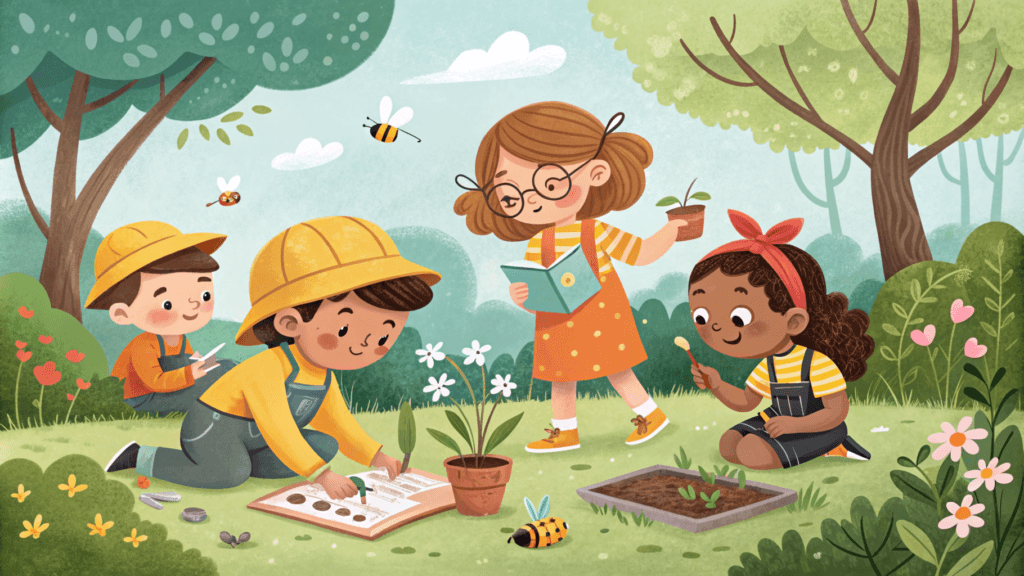
In an era where digital screens dominate our daily lives, a quiet revolution is taking place in education. Across the globe, educators and parents are rediscovering the profound impact of outdoor learning on child development. This return to nature isn’t merely a nostalgic yearning for simpler times; it represents a sophisticated response to modern educational challenges. As children spend increasingly more time in virtual environments, their fundamental connection to nature—a relationship that has shaped human development for millennia—risks being severed. However, through thoughtful implementation of outdoor learning programs, we can bridge this growing divide between children and the natural world.
The Importance of Outdoor Learning
Outdoor learning has a rich history, dating back to ancient civilizations that revered nature as a source of knowledge and inspiration. Today, research continues to highlight the psychological and physical benefits of spending time in nature. Recent research in educational psychology and neuroscience has revealed compelling evidence supporting the transformative power of outdoor learning.
Studies consistently show that children who regularly engage in outdoor educational activities demonstrate remarkable improvements across multiple dimensions of development. Their cognitive functions sharpen, creativity flourishes, and concentration spans lengthen. Perhaps most importantly, these children show reduced stress levels and anxiety, coupled with enhanced emotional resilience—crucial skills in today’s fast-paced world. Moreover, outdoor learning complements traditional classroom education by providing hands-on experiences that enhance understanding and retention.
These findings shouldn’t surprise us when we consider human evolutionary history. Our brains developed in natural environments, processing complex sensory information and solving real-world problems in ever-changing contexts. The outdoor setting provides a rich, multi-sensory learning environment that aligns perfectly with how our brains are wired to learn. This natural alignment explains why children often appear more engaged and alert during outdoor learning sessions compared to traditional indoor classes.
Cognitive Development in Natural Settings
The cognitive benefits of outdoor learning extend far beyond simple memorization or academic achievement. When children encounter natural phenomena—from weather patterns to animal behavior—they engage in real-time problem-solving and critical thinking. A child observing how leaves move in the wind naturally begins to understand principles of physics. Another watching ants build their colony gains insights into social organization and architecture. These organic learning moments create deeper, more lasting understanding than traditional classroom instruction alone.
Physical Health Benefits
Physical health benefits complement these cognitive gains. In an age where childhood obesity and sedentary behavior pose growing concerns, outdoor learning naturally incorporates physical activity into the educational experience. Children develop gross and fine motor skills while navigating natural terrain. Their cardiovascular health improves through active exploration, and their immune systems strengthen through exposure to diverse environmental elements. The natural exposure to sunlight helps regulate sleep patterns and provides essential vitamin D—a crucial factor in both physical and mental health.
Social and Emotional Growth
The emotional and social development fostered by outdoor learning environments proves equally valuable. Natural settings provide unique opportunities for children to assess and manage risk, building confidence through calculated challenges. A child climbing a tree must constantly evaluate their capabilities and limitations, developing both physical skills and self-awareness. Group activities in nature, whether building a shelter or creating an outdoor art installation, foster teamwork and communication skills in ways that indoor activities rarely match.
Planning Outdoor Learning Activities for Kids
Before embarking on outdoor learning adventures, it’s essential to plan and prepare adequately. Here are some tips to ensure a successful and safe experience:
- Safety First: Always prioritize safety by checking the weather forecast, wearing appropriate clothing, and carrying necessary equipment such as first aid kits and water bottles.
- Involve the Kids: Engage children in the planning process to boost their interest and excitement. Let them choose activities and help with preparations.
- Set Clear Objectives: Define the learning goals for each activity to ensure that the experience is both fun and educational.
Nature-Based Learning Activities
Exploring Local Parks and Nature Reserves
Local parks and nature reserves are treasure troves of learning opportunities. Here are some activities to try:
- Guided Nature Walks: Organize guided walks where children can learn about local flora and fauna. Encourage them to ask questions and make observations.
- Scavenger Hunts: Create a list of items for children to find, such as specific leaves, rocks, or insects. This activity sharpens their observation skills and fosters a sense of adventure.
- Nature Journaling: Provide children with notebooks to document their findings through drawings and notes. This practice enhances their writing and artistic skills while deepening their connection to nature.
Gardening and Planting Projects
Gardening is a hands-on way to teach children about plant life cycles and ecosystems. Consider these projects:
- School or Community Garden: Start a garden where children can plant, water, and care for various plants. This project teaches responsibility and patience.
- Composting: Introduce composting to show how organic waste can be recycled into nutrient-rich soil. This activity highlights the importance of sustainability.
- Planting Seeds: Let children plant seeds and observe their growth over time. This simple activity provides valuable lessons in biology and ecology.
Water-Based Learning Experiences
Water bodies like ponds, rivers, and lakes offer unique learning experiences. Here are some ideas:
- Pond Dipping: Equip children with nets and containers to explore pond life. They can observe and identify different aquatic creatures, fostering an appreciation for biodiversity.
- Water Quality Testing: Teach children how to test water quality using simple kits. This activity raises awareness about environmental conservation and the importance of clean water.
- Aquatic Ecosystems: Discuss the various plants and animals that thrive in aquatic environments and their roles in the ecosystem.
Outdoor Science Experiments
Conducting science experiments outdoors adds an element of excitement and discovery. Try these experiments:
- Solar Oven Cooking: Build a solar oven using a cardboard box, aluminum foil, and plastic wrap. Children can learn about solar energy while cooking simple snacks.
- Weather Observation: Set up a weather station to track temperature, humidity, and wind speed. This activity teaches children about meteorology and climate.
- Soil Testing: Collect soil samples from different locations and test their pH levels. This experiment helps children understand soil composition and its impact on plant growth.
Seasonal Outdoor Activities
Spring and Summer Adventures
Warm weather offers a plethora of outdoor activities. Here are some suggestions:
- Butterfly Watching: Visit a butterfly garden or a natural habitat to observe these beautiful insects. Children can learn about their life cycles and migration patterns.
- Hiking and Camping: Plan a family hike or camping trip to explore nature trails and enjoy the great outdoors. These activities promote physical fitness and teamwork.
- Building Bird Feeders: Create bird feeders using recycled materials and observe the different bird species that visit. This project encourages creativity and environmental stewardship.
Autumn and Winter Explorations
Even in cooler weather, outdoor learning can be fun and educational. Consider these activities:
- Leaf Collection and Identification: Collect leaves of various shapes and colors, and use field guides to identify them. This activity enhances botanical knowledge and appreciation for seasonal changes.
- Nature Photography: Provide children with cameras to capture the beauty of nature. This activity fosters creativity and observational skills.
- Snow Science Experiments: Conduct experiments with snow, such as measuring its density or observing how it melts. These activities teach children about the properties of water and weather patterns.
- Animal Tracking: Look for animal tracks in the snow and try to identify the creatures that made them. This activity sharpens detective skills and deepens understanding of wildlife behavior.
Integrating Technology with Nature
While the goal is to reduce screen time, technology can enhance outdoor learning when used appropriately. Here are some ways to integrate tech tools:
- Educational Apps: Use apps that help identify plants, animals, and constellations. These tools can provide instant information and enrich the learning experience.
- Digital Journals: Encourage children to document their outdoor adventures using digital journals or blogs. This practice combines technology with creative expression.
- Nature Photography: Equip children with cameras or smartphones to capture their observations. This activity fosters creativity and helps them see the world from different perspectives.
Encouraging Environmental Stewardship
Outdoor learning is an excellent opportunity to teach children about sustainability and conservation. Here are some ways to inspire environmental stewardship:
- Community Clean-Up Projects: Organize clean-up events in local parks or beaches. Children can learn the importance of keeping their environment clean and the impact of littering.
- Recycling Programs: Involve children in recycling efforts at home or school. Teach them about the benefits of recycling and how it helps reduce waste.
- Sustainability Practices: Discuss simple practices like reducing water usage, conserving energy, and using eco-friendly products. Encourage children to adopt these habits in their daily lives.
Wrapping It Up!
Outdoor learning represents far more than an educational trend—it offers a fundamental approach to nurturing well-rounded, healthy, and environmentally conscious individuals. By providing children with regular, meaningful encounters with nature, we equip them with essential skills, knowledge, and values that will serve them throughout their lives. As we face increasing environmental challenges and technological advancement, the ability to understand and connect with the natural world becomes ever more critical.
The success of these initiatives depends on the commitment and creativity of educators, parents, and community members working together to create rich, engaging outdoor experiences. By embracing these opportunities and addressing challenges thoughtfully, we can help ensure that future generations maintain their essential connection to the natural world while developing the skills and understanding they need to address the complex challenges of tomorrow.
Additional Resources
- Books:
- Last Child in the Woods by Richard Louv
- The Nature Principle by Richard Louv
- Websites:
- Organizations:




4 Comments