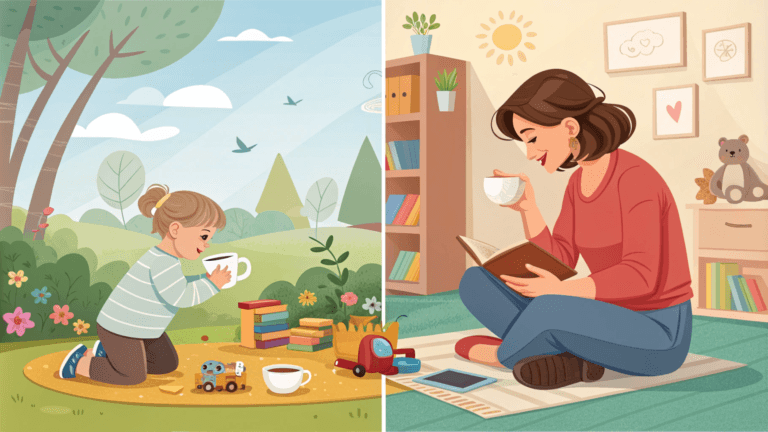
Beyond the Surface of Childhood Desires
When we ask ourselves, what kids want, our minds often jump to the obvious answers: toys, candy, screen time, or the latest trending gadget they’ve seen advertised. While these surface-level desires are certainly real and important to children, they represent just the tip of the iceberg when it comes to understanding what truly drives young minds and hearts.
Think of childhood wants and needs like an iceberg floating in the ocean. The visible portion above water represents those tangible things children ask for directly – the new bicycle, the extra bedtime story, or permission to stay up late. But beneath the surface lies a vast foundation of deeper psychological and emotional needs that children may not even have words to express. These hidden desires shape their behavior, influence their development, and ultimately determine their sense of wellbeing and happiness.
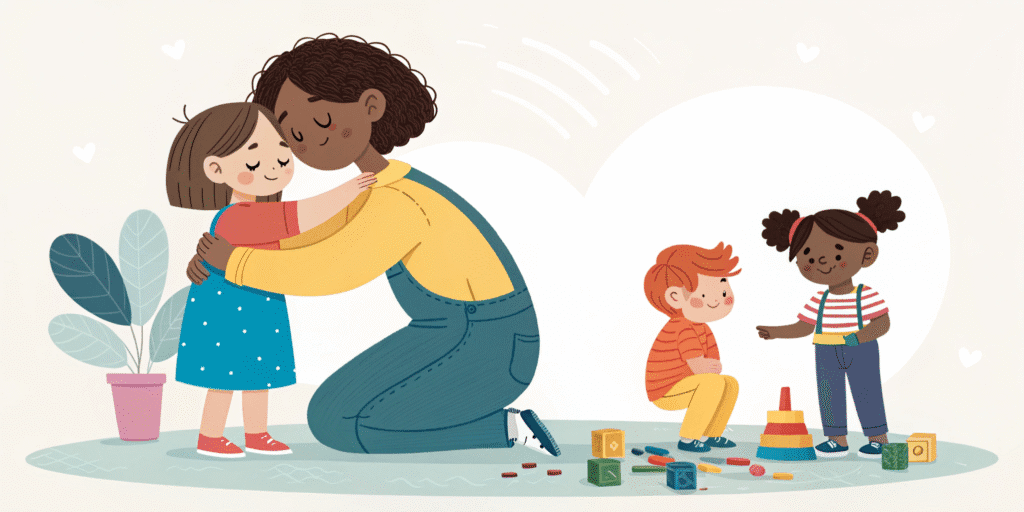
Understanding what kids truly want requires us to shift our perspective from simply hearing their immediate requests to recognizing the underlying human needs that drive those requests. When a child repeatedly asks for “just five more minutes” of playtime, they’re not necessarily being defiant about time limits. Instead, they might be expressing a deeper need for autonomy, control over their environment, or simply more connection with the activity or people involved.
This deeper understanding becomes particularly valuable when we consider how children communicate differently than adults. Young children often lack the vocabulary and emotional awareness to articulate complex feelings like “I need to feel valued” or “I want more predictability in my day.” Instead, these needs emerge through behavior, play, and those seemingly simple requests that can actually carry profound meaning.
The journey of understanding what kids want also requires us to recognize that children are not simply small adults with underdeveloped reasoning skills. They are complete human beings with their own unique ways of processing the world, forming relationships, and expressing their needs. Their wants and desires reflect not just their developmental stage, but also their individual personalities, experiences, and innate drive toward growth and connection.
As we explore this topic together, we’ll discover that meeting children’s deeper needs often requires less material resources and more intentional attention to the quality of our interactions with them. The most profound gifts we can offer children frequently cost nothing but time, presence, and understanding.
The Fundamental Human Needs That Drive Children’s Behavior
To truly understand what kids want, we must first recognize that children share the same fundamental human needs as adults, though they express and pursue these needs in developmentally appropriate ways. These core needs form the foundation upon which all other desires and behaviors are built, much like how a building’s foundation supports everything constructed above it.
Connection and Belonging: The Cornerstone of Human Development
At the very heart of what kids want lies the profound need for connection and belonging. This need is so fundamental that researchers have identified it as essential for healthy brain development, emotional regulation, and overall wellbeing. When we observe children’s behavior through this lens, many seemingly puzzling actions begin to make perfect sense.
Consider the child who acts out when parents are busy with work calls, or the student who becomes disruptive when feeling overlooked in the classroom. These behaviors, while challenging for adults to manage, often represent a child’s attempt to secure attention and connection, even if it comes in the form of negative attention. The underlying message is clear: “I need to know that I matter to you and that I belong in this family or community.”
Children’s need for connection manifests in countless ways throughout their daily lives. They want to be seen, heard, and understood by the important adults in their world. This doesn’t necessarily mean constant interaction, but rather consistent acknowledgment of their presence and value. When a child repeatedly interrupts adult conversations, they’re often expressing this need for recognition and inclusion in the social fabric of their environment.
The belonging aspect of this need extends beyond individual relationships to encompass a sense of place within larger communities. Children want to understand where they fit within their family structure, their peer groups, and their broader social world. They seek clear understanding of their role and significance in these various contexts, which helps them develop a stable sense of identity and self-worth.
Understanding this need helps explain why children often resist transitions or changes in routine. These disruptions can temporarily threaten their sense of belonging and connection, leading to behaviors that adults might interpret as stubbornness or defiance. In reality, the child is working to maintain their sense of security and place within their familiar world.
Autonomy and Control: The Drive Toward Independence
Another fundamental aspect of what kids want centers around developing autonomy and experiencing appropriate levels of control over their environment and choices. This need emerges very early in development and continues to evolve throughout childhood and adolescence, though it often creates tension with adult needs for safety and structure.
The desire for autonomy doesn’t mean children want to be left entirely to their own devices or that they’re rejecting adult guidance. Instead, they’re seeking opportunities to exercise choice, experience the consequences of their decisions, and gradually develop their own sense of agency in the world. This need explains why even very young children often prefer to “do it myself” even when adult help would be faster and more efficient.
Children’s pursuit of autonomy shows up in many different ways depending on their age and developmental stage. A toddler might insist on choosing their own clothes, even if the result is mismatched or weather-inappropriate. A school-age child might want to decide how to organize their backpack or complete their homework routine. Teenagers typically seek greater autonomy over their social choices, personal expression, and future planning.
The challenge for adults lies in finding ways to honor children’s need for autonomy while maintaining necessary boundaries and safety measures. When children feel that every aspect of their lives is controlled by others, they often respond with resistance, rebellion, or withdrawal. Conversely, when children experience appropriate opportunities for choice and self-direction, they typically become more cooperative and engaged.
This need for control also extends to children’s desire to understand and influence their environment. Children want to know what to expect, understand the reasons behind rules and decisions, and feel that their opinions and preferences are considered when appropriate. They’re not necessarily seeking to control everything, but rather to understand their place within the structure of their world and to have some say in matters that affect them.
Safety and Predictability: The Foundation for Exploration
While children have a natural drive toward growth and exploration, this adventurous spirit depends entirely on an underlying foundation of safety and predictability. Understanding this paradox is crucial for grasping what kids truly want and need from their environment and relationships.
Physical safety is the most obvious component of this need, but emotional and psychological safety are equally important. Children want to know that they can explore, make mistakes, express emotions, and try new things without risking rejection, abandonment, or harm to their core relationships. This psychological safety creates the secure base from which children can venture out to learn and grow.
Predictability doesn’t mean rigidity or lack of spontaneity. Instead, it refers to reliable patterns in relationships, consistent responses from caregivers, and clear expectations about how their world operates. Children want to understand the basic rules and rhythms of their environment so they can navigate successfully and focus their energy on learning and development rather than constantly assessing potential threats or changes.
The need for predictability explains why children often thrive with routines and may become distressed when familiar patterns are disrupted. Morning routines, bedtime rituals, and regular family traditions provide anchor points that help children feel secure and oriented in their world. These predictable elements free up mental and emotional energy for the important work of childhood: learning, playing, and growing.
This foundation of safety and predictability also enables children to take appropriate risks and face challenges. When children trust that they have a secure base to return to, they’re more willing to try difficult tasks, engage with new people, or explore unfamiliar environments. The safety net of reliable relationships and predictable care allows for the healthy risk-taking that promotes development and learning.
Understanding Different Developmental Stages and Their Unique Wants
Children’s wants and needs evolve significantly as they grow and develop, much like how a growing plant requires different types of care at various stages of its development. Understanding these developmental differences helps us recognize that what a three-year-old desperately wants may be entirely different from what motivates a ten-year-old, and both may differ dramatically from what drives a teenager’s behavior and choices.
Early Childhood: The Foundation Years (Ages 2-6)
During the early childhood years, children’s wants center heavily around immediate needs and sensory experiences. At this stage, the gap between wanting something and needing it immediately is virtually nonexistent. When a four-year-old says they want something, they typically want it right now, and waiting can feel genuinely distressing rather than simply inconvenient.
Young children want rich sensory experiences that help them understand their world through touch, taste, sight, sound, and movement. They’re naturally drawn to activities that engage multiple senses simultaneously, which explains their fascination with messy play, water activities, and hands-on exploration. Their desire to touch everything, climb on furniture, or spin until dizzy reflects this deep need to understand their physical world through direct experience.
At this developmental stage, children also want clear, simple structure combined with opportunities for choice within safe boundaries. They benefit from routines they can predict and participate in, but they also want to exercise their growing autonomy through age-appropriate decisions. Offering choices like “Would you like to brush your teeth first or put on your pajamas first?” honors both their need for structure and their desire for control.
Early childhood is also characterized by intense attachment needs. Children this age want frequent connection, reassurance, and physical closeness with their primary caregivers. They may want to be near trusted adults even when they’re playing independently, using the adult’s presence as a secure base for exploration. This isn’t clinginess or immaturity, but rather a developmentally appropriate way of managing the balance between safety and exploration.
Young children’s wants often manifest through play, which serves as their primary vehicle for processing experiences, practicing skills, and expressing emotions. They want ample time and space for unstructured play, access to simple materials that can be used in multiple ways, and opportunities to engage in imaginative scenarios that help them make sense of their world.
Middle Childhood: The Learning and Social Years (Ages 6-12)
As children enter the school years, their wants begin to shift toward social connection, skill mastery, and understanding their place in the broader world beyond their immediate family. This developmental stage brings new cognitive abilities that allow children to think more logically, understand cause and effect relationships, and consider multiple perspectives simultaneously.
Children in middle childhood want opportunities to develop competence and experience success in various domains. They’re naturally motivated to master new skills, whether academic, athletic, artistic, or social. This drive for competence explains why school-age children often become intensely focused on particular activities or interests, wanting to practice, improve, and demonstrate their growing abilities.
The social world becomes increasingly important during these years, and children want acceptance and belonging within their peer groups. They begin to understand social hierarchies, group dynamics, and the unwritten rules that govern friendships and social interactions. Their wants often center around fitting in, being liked, and navigating the complex world of peer relationships.
Middle childhood also brings a heightened sense of fairness and justice. Children this age want rules to be applied consistently, and they’re quick to notice and protest perceived inequities. They’re developing their own moral reasoning and want adults to explain the principles behind rules and decisions. This isn’t defiance, but rather evidence of their growing cognitive sophistication and desire to understand the ethical frameworks that guide behavior.
Independence becomes increasingly important during these years, though children still need significant adult support and guidance. They want opportunities to take on responsibilities, contribute meaningfully to family or classroom communities, and experience the satisfaction that comes from completing tasks independently. However, they also want the security of knowing that adult help is available when needed.
Children in middle childhood also develop stronger interests in hobbies, collections, or special subjects. They want time and resources to pursue these interests deeply, and they often enjoy sharing their knowledge and enthusiasm with others. These focused interests serve important developmental functions, helping children develop sustained attention, expertise, and identity formation.
Adolescence: The Identity and Independence Years (Ages 13-18)
The teenage years bring dramatic shifts in what young people want and need, driven by significant biological, cognitive, and social changes. Understanding adolescent wants requires recognizing that teenagers are navigating the complex transition from childhood dependence to adult independence, a process that can create internal conflicts and seemingly contradictory behaviors.
Adolescents want increasing autonomy and independence, but they also want maintained connection and support from their families. This can create confusing dynamics where teenagers push for freedom while simultaneously seeking reassurance and guidance. They’re working to establish their own identity separate from their parents while still needing the security of family relationships.
Identity formation becomes a central focus during adolescence, and teenagers want opportunities to explore different aspects of themselves through various roles, relationships, and experiences. They may experiment with different styles, friend groups, activities, or belief systems as they work to understand who they are and who they want to become. This exploration is healthy and necessary, though it can be concerning for adults who worry about negative influences or risky choices.
Peer relationships take on enormous significance during the teenage years, and adolescents want acceptance, belonging, and status within their social groups. The opinions and approval of peers often carry more weight than adult feedback during this developmental stage, which can be frustrating for parents and teachers but reflects normal adolescent development.
Teenagers also want to be treated with respect and to have their growing maturity acknowledged. They desire opportunities to contribute meaningfully to their communities, to have their opinions valued, and to participate in decisions that affect their lives. When adults continue to treat teenagers as children, it often creates resistance and conflict because it doesn’t align with their developmental needs and growing capabilities.
The adolescent brain is still developing, particularly in areas related to impulse control and long-term planning, which means that teenagers want immediate rewards and may struggle with delayed gratification. Understanding this neurological reality helps adults provide appropriate support while maintaining reasonable expectations for teenage behavior and decision-making.
The Role of Play, Creativity, and Imagination in What Kids Want
Play represents far more than simple entertainment in children’s lives; it serves as their primary vehicle for learning, processing experiences, and expressing their deepest wants and needs. When we truly understand the role of play in child development, we begin to see that children’s desire for play time isn’t a distraction from more important activities, but rather their instinctive pursuit of the experiences they need most for healthy growth and development.
Play as the Language of Childhood
Children use play much like adults use conversation, problem-solving, and creative expression combined into one powerful tool. Through play, children communicate feelings they may not have words for, work through challenging experiences, and practice skills they’re developing. When a child engages in dramatic play, reenacting family scenarios or creating imaginary worlds, they’re not just having fun – they’re actively processing their understanding of relationships, social roles, and emotional dynamics.
The desire for play is so fundamental that children will create play opportunities even in the most restrictive environments. They might turn mundane objects into toys, invent games with simple materials, or engage in imaginative scenarios using only their minds. This drive toward play reflects their innate understanding that play provides something essential for their development and wellbeing.
Different types of play serve different developmental functions, and children instinctively gravitate toward the kinds of play they need most at any given time. Physical play helps them develop motor skills, spatial awareness, and body confidence. Social play teaches cooperation, negotiation, and relationship skills. Creative play develops problem-solving abilities, artistic expression, and innovative thinking. Understanding these functions helps adults appreciate why children want and need diverse play experiences.
The unstructured nature of much childhood play is particularly important because it allows children to follow their internal guidance about what they need to explore or practice. When adults over-schedule children’s time or constantly direct their activities, it can interfere with this natural learning process and leave important developmental needs unmet.
Creativity as Self-Expression and Problem-Solving
Children’s desire for creative expression reflects their need to communicate their inner experiences and to engage with the world in personally meaningful ways. Creativity provides children with a voice when they may lack the verbal skills to express complex thoughts or feelings, and it offers a safe space for exploring ideas, emotions, and possibilities without real-world consequences.
The creative process itself is often more important to children than the final product. Adults might focus on whether a child’s artwork looks realistic or whether their story follows logical plot lines, but children are typically more interested in the experience of creating, exploring, and expressing. They want permission to experiment, make mistakes, and follow their creative impulses without judgment or excessive direction.
Children’s creativity often serves problem-solving functions that adults might not immediately recognize. When children build elaborate structures with blocks, they’re not just playing – they’re exploring concepts of balance, engineering, and spatial relationships. When they create stories or engage in dramatic play, they’re working through social and emotional challenges, trying out different solutions, and processing their experiences.
The desire for creative expression also connects to children’s need for autonomy and control. Creative activities provide opportunities for children to make their own choices, follow their own vision, and experience the satisfaction of bringing their ideas to life. This sense of creative agency builds confidence and reinforces their developing sense of self-efficacy.
Imagination as a Tool for Understanding and Coping
Children’s rich imaginative lives serve crucial developmental functions that extend far beyond entertainment. Through imagination, children can safely explore scenarios that would be impossible or inappropriate in real life, work through fears and anxieties, and develop empathy by considering different perspectives and experiences.
The desire to engage in imaginative play reflects children’s natural drive to understand their world and their place within it. When children create elaborate fantasy scenarios, they’re often working through real-life concepts and relationships in a safe, controllable context. A child who creates stories about brave heroes overcoming challenges might be processing their own fears and building confidence in their ability to handle difficult situations.
Imagination also provides children with a valuable coping mechanism for dealing with stress, change, or difficult emotions. Through imaginative play, children can transform themselves into powerful characters, create worlds where they have control, or safely explore outcomes for challenging situations they’re facing in real life.
The social aspects of imaginative play are particularly important for developing interpersonal skills. When children engage in collaborative pretend play, they must negotiate roles, create shared narratives, and coordinate their actions with others. These experiences provide rich opportunities for practicing communication, cooperation, and conflict resolution in low-stakes situations.
Adults can support children’s imaginative development by providing time, space, and simple materials that can be used in multiple ways. Often, the most valuable toys for imaginative play are simple, open-ended materials like blocks, dress-up clothes, art supplies, or even empty boxes that can be transformed into anything a child’s imagination envisions.
Social and Emotional Needs: Connection, Understanding, and Validation
While children’s physical needs for food, shelter, and safety are relatively straightforward to understand and meet, their social and emotional needs are often more complex and nuanced. These needs form the invisible foundation upon which children’s sense of self, their ability to form relationships, and their overall mental health are built. Understanding what children want in terms of social and emotional support requires us to look beyond surface behaviors to the deeper human longings that drive them.
The Need to Be Seen and Understood
One of the most profound things children want is simply to be truly seen and understood by the important adults in their lives. This goes beyond basic acknowledgment of their presence to encompass a deeper recognition of their individual personality, struggles, strengths, and inner world. When children feel genuinely seen, they develop a stronger sense of self-worth and belonging that supports them throughout their development.
Being seen means having adults notice not just what children do, but who they are. It means recognizing their unique ways of processing information, their particular sense of humor, their specific fears and dreams, and their individual path of growth and learning. Children want adults to understand that their reactions and behaviors make sense from their perspective, even when those reactions might seem puzzling or inappropriate to adult sensibilities.
This need for understanding becomes particularly important when children are struggling with challenges or going through difficult periods. Rather than simply wanting their problems solved or their behavior corrected, children often want adults to understand why they’re having trouble and to acknowledge the validity of their experience. A child who’s having difficulty with math homework doesn’t necessarily want the adult to do the work for them, but they do want recognition that the task feels overwhelming and that their frustration is understandable.
Children also want their positive qualities and efforts to be noticed and appreciated. They want adults to see their kindness toward others, their persistence in working through challenges, their creative ideas, and their attempts to be helpful or responsible. This recognition helps children develop a balanced and positive sense of themselves and reinforces the behaviors and qualities that serve them well.
The desire to be understood extends to children’s need for adults to recognize their developmental limitations and to have realistic expectations for their behavior and capabilities. Children want adults to understand that they’re doing their best within the constraints of their current developmental stage, and they want support in growing and learning rather than criticism for not yet having fully developed skills.
Emotional Validation and Acceptance
Children want their emotions to be accepted as valid and important, even when those emotions are inconvenient, intense, or difficult for adults to handle. This doesn’t mean that all emotional expressions or resulting behaviors are appropriate, but rather that the underlying feelings deserve acknowledgment and respect.
Emotional validation involves helping children understand that their feelings make sense given their experience and perspective. When a child is disappointed about a cancelled playdate, they don’t necessarily want the adult to fix the situation or talk them out of their disappointment. Instead, they want recognition that disappointment is a natural response to having something they were looking forward to taken away.
Children also want help learning to identify and name their emotions. Many behavioral challenges in childhood stem from children experiencing intense emotions that they don’t have words for or don’t know how to manage appropriately. When adults help children recognize and name their feelings, they provide valuable tools for emotional self-regulation and communication.
The acceptance aspect of emotional validation means that children want to know they’re still loved and valued even when they’re experiencing difficult emotions or expressing them imperfectly. They need reassurance that having angry, sad, scared, or frustrated feelings doesn’t make them bad people or threaten their important relationships.
This validation becomes particularly important when children are dealing with emotions that adults find uncomfortable or inconvenient. A child’s anger, fear, or sadness might be disruptive to adult plans or comfort levels, but children need to know that these emotions are still acceptable parts of human experience that deserve compassionate attention.
The Desire for Authentic Relationships
Children want genuine, authentic relationships with the adults in their lives, characterized by mutual respect, honest communication, and real connection. They can often sense when adults are being condescending, manipulative, or dishonest, and they respond much better to interactions that feel real and respectful.
Authentic relationships involve adults being willing to admit their own mistakes, show their human side, and engage with children as whole people rather than simply as problems to be managed or tasks to be completed. Children want to know that the adults in their lives are real people with their own feelings, challenges, and growth areas.
This desire for authenticity also means that children want adults to be honest with them about age-appropriate realities rather than trying to shield them from all difficult truths. Children can handle much more honesty than adults often assume, and they typically prefer knowing the truth over being left to imagine scenarios that might be worse than reality.
Children also want consistency between what adults say and what they do. When adults’ actions don’t match their words, children notice and it can undermine trust and the sense of authentic relationship. Children want to know that they can rely on adults to follow through on commitments and to model the behavior and values they’re asking children to adopt.
The reciprocal nature of authentic relationships means that children want their own thoughts, opinions, and preferences to be valued and considered. They want to feel that they contribute something meaningful to their relationships with adults, rather than simply being passive recipients of adult wisdom and care.
Academic and Learning Desires: Beyond Traditional Education
When we consider what children want in terms of learning and education, we often focus on academic achievement, test scores, and grade-level performance. However, children’s authentic learning desires extend far beyond these traditional measures to encompass deeper needs for understanding, competence, relevance, and personal growth. Understanding these broader learning wants can help us create educational experiences that truly engage and inspire young minds.
The Drive for Mastery and Competence
Children have an innate desire to become competent and skilled in areas that interest them, but this drive for mastery looks quite different from adult concepts of achievement and success. Children want the satisfaction that comes from gradually developing expertise, overcoming challenges, and experiencing the confidence that accompanies growing competence.
This desire for mastery is highly individual and often doesn’t align with predetermined academic timelines or curricula. One child might become intensely focused on understanding how machines work, while another might be driven to master complex social dynamics through observing and participating in peer interactions. Children want the freedom to pursue deep learning in areas that capture their interest and imagination.
The process of developing mastery is often more important to children than external recognition or rewards. They want the internal satisfaction of understanding something deeply, being able to solve problems independently, or creating something meaningful through their own efforts. This intrinsic motivation is often more powerful and lasting than external motivators like grades or prizes.
Children also want appropriate challenges that stretch their abilities without overwhelming them. They seek that sweet spot where tasks are difficult enough to be interesting and growth-promoting, but not so difficult as to be frustrating or discouraging. This balance is highly individual and requires adults to pay attention to each child’s current capabilities and interests.
The desire for mastery also includes wanting to understand not just what to do, but why and how things work. Children are naturally curious about the underlying principles, connections, and patterns that explain the world around them. They want learning experiences that satisfy this deeper curiosity rather than simply requiring memorization of facts or procedures.
Relevance and Real-World Connection
Children want their learning to feel relevant and connected to their real lives and interests. They’re naturally motivated to understand things that have personal meaning or practical application, and they often struggle to engage with abstract concepts that seem disconnected from their experience and concerns.
This desire for relevance means that children want to see how what they’re learning connects to their current interests, future goals, or the world around them. They want to understand why particular knowledge or skills are valuable and how they might use what they’re learning in real situations.
Children also want learning experiences that allow them to explore topics that genuinely interest them, even when those interests don’t align perfectly with predetermined curriculum standards. A child fascinated by dinosaurs might be motivated to develop reading, research, and presentation skills through pursuing their paleontological interests, even if dinosaurs aren’t part of the official science curriculum.
The social relevance of learning is also important to children. They want opportunities to share what they’re learning with others, to teach younger children, or to use their knowledge and skills to contribute to their communities. Learning feels more meaningful when it enables children to connect with others or to make a positive difference in some way.
Children’s desire for real-world connection also extends to wanting authentic audiences for their work and learning. Rather than simply completing assignments for teacher evaluation, children are often motivated by opportunities to share their learning with real audiences who have genuine interest in what they’ve discovered or created.
Choice and Agency in Learning
Children want to have some control over their learning experiences, including input into what they study, how they approach learning tasks, and how they demonstrate their understanding. This desire for agency reflects their developing autonomy and their recognition that they have valuable insights into their own learning preferences and needs.
Choice in learning doesn’t mean that children should determine all aspects of their education, but rather that they want meaningful opportunities to exercise preferences and make decisions within appropriate boundaries. This might include choosing between different ways to approach a project, selecting topics for research within a broader theme, or deciding how to organize their learning environment.
Children also want their individual learning styles and preferences to be recognized and accommodated when possible. Some children learn best through hands-on activities, while others prefer reading and reflection. Some need movement and interaction, while others focus better in quiet, solitary environments. Children want adults to understand and work with their natural learning tendencies rather than forcing them into one-size-fits-all approaches.
The pacing of learning is another area where children want some agency. While external timelines and expectations are sometimes necessary, children also want opportunities to spend more time on topics that particularly interest them or to move more quickly through material they find easy or less engaging.
Children’s desire for agency also includes wanting to understand the rationale behind learning expectations and requirements. They want to be partners in their education rather than passive recipients of adult decisions about what and how they should learn.
Social Learning and Collaboration
Much of what children want to learn is inherently social, and they often prefer learning experiences that involve interaction, collaboration, and shared exploration with peers. Children recognize that other children often have different perspectives, ideas, and approaches that can enrich their own understanding.
Collaborative learning satisfies children’s social needs while also providing rich opportunities for developing communication, negotiation, and teamwork skills. Children want chances to explain their thinking to others, to hear different viewpoints, and to work together to solve problems or create something meaningful.
The peer teaching that often emerges in collaborative learning situations is particularly valuable for children. When children explain concepts to their peers, they deepen their own understanding while also experiencing the satisfaction of helping others learn. Many children are motivated by opportunities to be teachers and experts in areas where they have developed knowledge or skills.
Children also want learning experiences that allow them to learn from slightly older children or to serve as mentors for younger children. These cross-age interactions provide different kinds of learning opportunities and help children see themselves as part of a larger learning community.
The social aspects of learning also extend to children’s desire to share their discoveries and insights with others. They want audiences for their learning, whether through presentations, displays of their work, or informal conversations about what they’ve discovered.
How Adults Can Better Understand and Respond to Children’s Wants
Understanding what children want is only the first step in building stronger relationships and supporting their healthy development. The greater challenge lies in learning how to respond to children’s wants in ways that honor their legitimate needs while also maintaining appropriate boundaries and helping them develop important life skills. This requires adults to develop new ways of listening, observing, and interacting that go beyond traditional authoritarian approaches to child-rearing and education.
Developing Deeper Listening Skills
True understanding of what children want begins with learning to listen not just to their words, but to the deeper messages behind their communication. Children often express their most important needs indirectly, through behavior, play, questions, or seemingly unrelated comments. Developing the skill of deeper listening helps adults recognize these indirect communications and respond more effectively to children’s underlying wants and needs.
Deeper listening involves paying attention to patterns in children’s behavior and communication over time, rather than simply reacting to individual incidents. A child who repeatedly asks for “just one more” of various things might not be testing limits, but rather expressing a deeper need for more control or predictability in their environment. A child who frequently complains about minor physical discomforts might be seeking attention and connection rather than medical intervention.
This kind of listening also requires adults to consider the context surrounding children’s communications. A child’s wants and needs might be influenced by recent changes in their environment, developmental transitions, social challenges, or internal emotional states that they can’t fully articulate. Understanding these contextual factors helps adults respond more appropriately to what children are really asking for.
Effective listening also involves reflecting back what adults hear, both to confirm understanding and to help children develop better self-awareness. When adults say things like “It sounds like you’re really frustrated that your tower keeps falling down” or “I can see that you want more time to finish your project,” they demonstrate that they’re truly hearing the child’s experience while also helping the child develop language for their feelings and wants.
The timing of listening is also important. Children often share their most important thoughts and feelings during quiet, unstructured moments rather than during formal conversations. Adults need to be available and present during these spontaneous communication opportunities, which might occur during car rides, bedtime routines, or while engaging in side-by-side activities.
Learning to Observe Beyond Surface Behavior
Children’s behavior often provides valuable information about their underlying wants and needs, but interpreting this behavior requires adults to look beyond surface actions to understand the functions those behaviors might be serving. This observational skill helps adults respond to the root causes of behavior rather than simply managing symptoms.
Observing children effectively involves considering the antecedents and consequences of behavior, as well as the behavior itself. What typically happens right before a child exhibits certain behaviors? What needs might those behaviors be meeting? What does the child gain or avoid through their actions? Understanding these patterns helps adults identify what children are really wanting or needing in those moments.
It’s also important to observe children’s behavior across different settings and with different people. A child who is withdrawn at school but talkative at home might be communicating different needs in these various environments. A child who has frequent conflicts with one adult but gets along well with others might be responding to specific interaction patterns or relationship dynamics.
Observing children’s play provides particularly rich information about their inner world and current preoccupations. The themes that emerge in children’s play often reflect their efforts to understand or process real-life experiences, relationships, or emotions. Adults who pay attention to these play themes can gain valuable insights into what children are thinking about and what kinds of support they might need.
Physical indicators also provide important observational information. Changes in sleep patterns, appetite, energy levels, or physical complaints can all signal that children are experiencing stress, developmental changes, or unmet needs that they may not be able to communicate directly.
Creating Safe Spaces for Expression
Children need safe environments where they can express their authentic wants, needs, feelings, and thoughts without fear of judgment, rejection, or immediate correction. Creating these safe spaces requires intentional effort from adults to establish both physical and emotional environments that support open communication and authentic self-expression.
Emotional safety involves adults managing their own reactions to children’s expressions, particularly when those expressions are inconvenient, uncomfortable, or challenging. Children need to know that they can share difficult feelings, unpopular opinions, or embarrassing experiences without triggering adult anxiety, anger, or disappointment that overshadows their own needs.
This doesn’t mean that adults should accept all behavior or expression without any boundaries, but rather that they should separate the child’s right to have and express feelings from the need to learn appropriate ways of expressing those feelings and meeting their needs. A child can feel angry without being allowed to hit others, or feel disappointed without being permitted to destroy property.
Physical spaces that support expression might include comfortable areas for conversation, private spaces where children can retreat when they need to process emotions, or creative spaces where children can express themselves through art, music, or movement. The key is ensuring that children have access to environments where they feel comfortable being authentic.
Time is another crucial element of creating safe spaces for expression. Children often need time to formulate their thoughts, work up the courage to share difficult feelings, or simply be in the presence of a trusted adult before they’re ready to communicate. Adults who are patient and available during these processing times create opportunities for deeper communication and understanding.
Balancing Validation with Boundaries
One of the most challenging aspects of responding to children’s wants involves finding the balance between validating their feelings and needs while also maintaining appropriate boundaries and helping them develop frustration tolerance and delayed gratification skills. This balance is crucial for children’s healthy development and their ability to function successfully in the world.
Validation involves acknowledging and accepting children’s feelings and wants as legitimate and understandable, even when those wants cannot be immediately satisfied or may never be fulfilled. Adults can validate a child’s disappointment about not getting a desired toy while still maintaining the boundary that the toy is not available. This validation helps children feel heard and understood while also learning that not all wants can or should be immediately satisfied.
Setting boundaries becomes easier when children feel that their underlying needs are understood and respected. A child who knows that their need for autonomy is recognized and honored in appropriate ways is more likely to accept limits in areas where safety or other considerations require adult decision-making. The key is ensuring that children experience enough choice and control in some areas of their lives that they can tolerate necessary limits in others.
Teaching children to distinguish between wants and needs is an important part of this balance. Adults can help children understand that while all feelings are valid, not all wants can be immediately satisfied, and that learning to wait, work toward goals, or accept disappointment are valuable life skills.
The timing of boundary-setting matters significantly. Children are more likely to accept limits when they don’t feel emotionally flooded or when their basic needs for connection and understanding have been met. Sometimes this means validating feelings first, then addressing behavioral boundaries, rather than trying to correct behavior while children are still feeling unheard or misunderstood.
Supporting Children’s Authentic Development
Understanding what children want ultimately serves a larger purpose: supporting their authentic development into healthy, capable, and fulfilled human beings. This support requires adults to move beyond simply managing children’s behavior or pushing them toward predetermined outcomes, and instead focus on creating conditions that allow children’s natural developmental processes to unfold in healthy ways.
Recognizing Individual Differences and Strengths
Every child is unique, with their own temperament, interests, learning style, and developmental timeline. Supporting authentic development means recognizing and honoring these individual differences rather than trying to fit all children into the same mold or expecting them to develop at identical rates.
Some children are naturally more introverted and need quiet time to recharge, while others are energized by social interaction and group activities. Some children are cautious and prefer to observe before participating, while others dive into new experiences with enthusiasm. Some children are highly sensitive to sensory input, while others seek out intense sensory experiences. Understanding and accepting these temperamental differences helps adults provide appropriate support and avoid trying to change fundamental aspects of who children are.
Children’s interests and passions also vary widely, and supporting authentic development means providing opportunities for children to explore and develop their unique talents and fascinations. A child who is passionate about animals might benefit from opportunities to volunteer at shelters, read extensively about zoology, or care for classroom pets. A child who loves building and construction might thrive with access to various building materials, opportunities to help with household projects, or visits to construction sites.
Recognizing strengths also involves looking beyond traditional academic or athletic abilities to appreciate the full range of human capabilities. Some children are natural peacemakers who excel at resolving conflicts. Others have strong intuitive abilities that help them understand people’s emotions and needs. Some children are highly creative problem-solvers who find innovative solutions to challenges. Supporting authentic development means recognizing and nurturing these diverse strengths rather than focusing only on areas where children might struggle.
Fostering Independence and Self-Advocacy
As children grow and develop, they need increasing opportunities to make decisions, solve problems, and advocate for their own needs. Supporting this growing independence while maintaining appropriate safety and guidance requires careful attention to each child’s developing capabilities and readiness for additional responsibility.
Independence develops gradually and in different areas at different rates. A child might be ready for significant independence in choosing their clothes and organizing their belongings while still needing substantial support in managing social conflicts or academic challenges. Adults need to assess each area of development individually and provide appropriate levels of support and autonomy in each domain.
Teaching self-advocacy skills involves helping children identify their own needs, communicate those needs effectively, and develop strategies for meeting their needs in appropriate ways. This might include helping children practice asking for help when they need it, speaking up when they feel treated unfairly, or finding ways to meet their needs for movement, quiet time, or social interaction within the constraints of their environment.
Self-advocacy also includes helping children develop problem-solving skills so they can address challenges independently when appropriate. Rather than immediately solving problems for children, adults can guide them through problem-solving processes, helping them identify options, consider consequences, and develop plans for addressing their concerns.
Building independence also requires adults to gradually transfer responsibility to children in age-appropriate ways. This might start with simple choices about daily routines and gradually expand to include more complex decisions about activities, relationships, and future planning as children demonstrate readiness for additional responsibility.
Creating Environments That Support Natural Learning
Children are natural learners who are intrinsically motivated to understand their world and develop new capabilities. Supporting this natural learning process requires creating environments that provide rich opportunities for exploration, discovery, and growth while also offering appropriate support and guidance.
Rich learning environments include access to diverse materials, experiences, and opportunities that engage children’s curiosity and invite exploration. This might include books, art supplies, building materials, musical instruments, natural objects, or technology tools that children can use to investigate questions and pursue interests.
Time is another crucial element of supportive learning environments. Children need unstructured time to pursue their interests, engage in deep play, and follow their natural curiosity wherever it leads. Over-scheduling or constantly directing children’s activities can interfere with their natural learning processes and prevent them from developing intrinsic motivation and self-direction.
Social environments that support learning include opportunities for children to interact with peers, learn from older children, and share their knowledge with younger children. These multi-age interactions provide rich learning opportunities and help children see themselves as both learners and teachers.
Adult support in these environments involves being available as a resource and guide while allowing children to lead their own learning processes. This means being ready to answer questions, provide materials, offer suggestions, or help solve problems when children request assistance, while also stepping back and allowing children to struggle productively with challenges that are within their capability to handle.
Building Stronger Relationships Through Understanding
As we reach the end of our exploration into what kids really want, it’s important to remember that this understanding is not an end in itself, but rather a foundation for building stronger, more meaningful relationships with the children in our lives. When we truly grasp the deeper needs and desires that drive children’s behavior, we’re better equipped to respond with empathy, wisdom, and effectiveness.
The journey of understanding what children want is ongoing and requires continuous attention, observation, and adjustment. Children’s needs evolve as they grow and develop, and individual children may have unique wants and needs that don’t fit neatly into general categories. The key is maintaining an attitude of curiosity and openness, always seeking to understand the child’s perspective while also providing appropriate guidance and support.
Perhaps most importantly, understanding what children want helps us recognize that many of their deepest needs are the same fundamental human needs that we all share: the need to be seen, understood, and valued; the need for autonomy and control over our lives; the need for safety and predictability; the need for meaningful relationships and authentic connection. When we approach children with this recognition of our shared humanity, we’re more likely to respond with patience, compassion, and respect.
This understanding also reminds us that children are not problems to be solved or behaviors to be managed, but rather whole human beings with their own perspectives, feelings, and legitimate needs. Their wants and desires, even when they seem inconvenient or challenging, often contain important information about what they need to grow and thrive.
The practical applications of this understanding are countless. When a child is having difficulty with behavior, we can look beyond the surface actions to understand what needs might be driving that behavior. When a child seems resistant to our guidance, we can consider whether their need for autonomy or understanding is being adequately met. When a child is struggling academically or socially, we can explore whether their fundamental needs for safety, connection, or competence are being addressed.
Ultimately, the goal is not to give children everything they want, but rather to understand what they want deeply enough to respond in ways that support their healthy development while also maintaining appropriate boundaries and expectations. This requires wisdom, patience, and the recognition that supporting children’s growth is one of the most important and challenging tasks that adults can undertake.
The investment in understanding what children want pays dividends not only in improved relationships and reduced conflict, but also in supporting children’s development into healthy, capable, and emotionally intelligent adults. When children feel understood and supported in having their legitimate needs met, they’re more likely to develop into people who can understand and support others, creating a positive cycle that benefits not just individual families but entire communities.
As you continue your journey of understanding and supporting the children in your life, remember that perfection is not the goal. Every adult is learning and growing in their understanding of children’s needs, and every interaction provides an opportunity to deepen that understanding. The most important thing is to approach children with genuine curiosity, respect, and love, always seeking to understand their world from their perspective while providing the guidance and support they need to flourish.
The children in our lives are not just the adults of tomorrow; they are complete human beings today who deserve our attention, understanding, and respect. When we honor what they truly want and need, we contribute to their immediate wellbeing while also supporting their development into the healthy, capable, and compassionate adults our world needs them to become.
Resources
- Bringing Kids into the Scientific Review Process
https://www.sciencedirect.com/science/article/pii/S08966273163094121 - Frontiers for Young Minds: Communicating Passion and Excitement about Science
https://www.frontiersin.org/news/2018/09/10/children-in-science-taking-inclusion-in-peer-review-to-a-new-level3
Also see related article on kids as reviewers: https://hwni.berkeley.edu/news/kids-are-reviewers-scientific-journal4 - What Do Parents Want? Information, Choices, and Constraints
https://eric.ed.gov/?id=ED6624117 - All Work and No Play? Listening to What Kids and Parents Really Want from Out-of-School Time
https://wallacefoundation.org/sites/default/files/2024-10/all-work-and-no-play.doi_.10.59656%252FYD-OS1273.001.pdf