In today’s fast-paced world, keeping children entertained and engaged indoors has become more important than ever. Indoor activities for kids don’t have to be boring or repetitive. With proper planning and creativity, you can create engaging, educational, and entertaining indoor activities for kids. Whether it’s a rainy day, extreme weather, or simply a need for structured indoor time, having a repertoire of engaging indoor activities is essential for parents, caregivers, and educators. This comprehensive guide explores creative, educational, and entertaining indoor activities that cater to different age groups and interests.
Why Indoor Activities Matter for Child Development
Indoor activities play a crucial role in children’s physical, cognitive, and social development. According to research from the American Academy of Pediatrics, structured indoor play can enhance problem-solving skills, creativity, and emotional regulation. These activities become especially important during weather extremes or when outdoor play isn’t possible.
Key Benefits of Indoor Activities for Kids
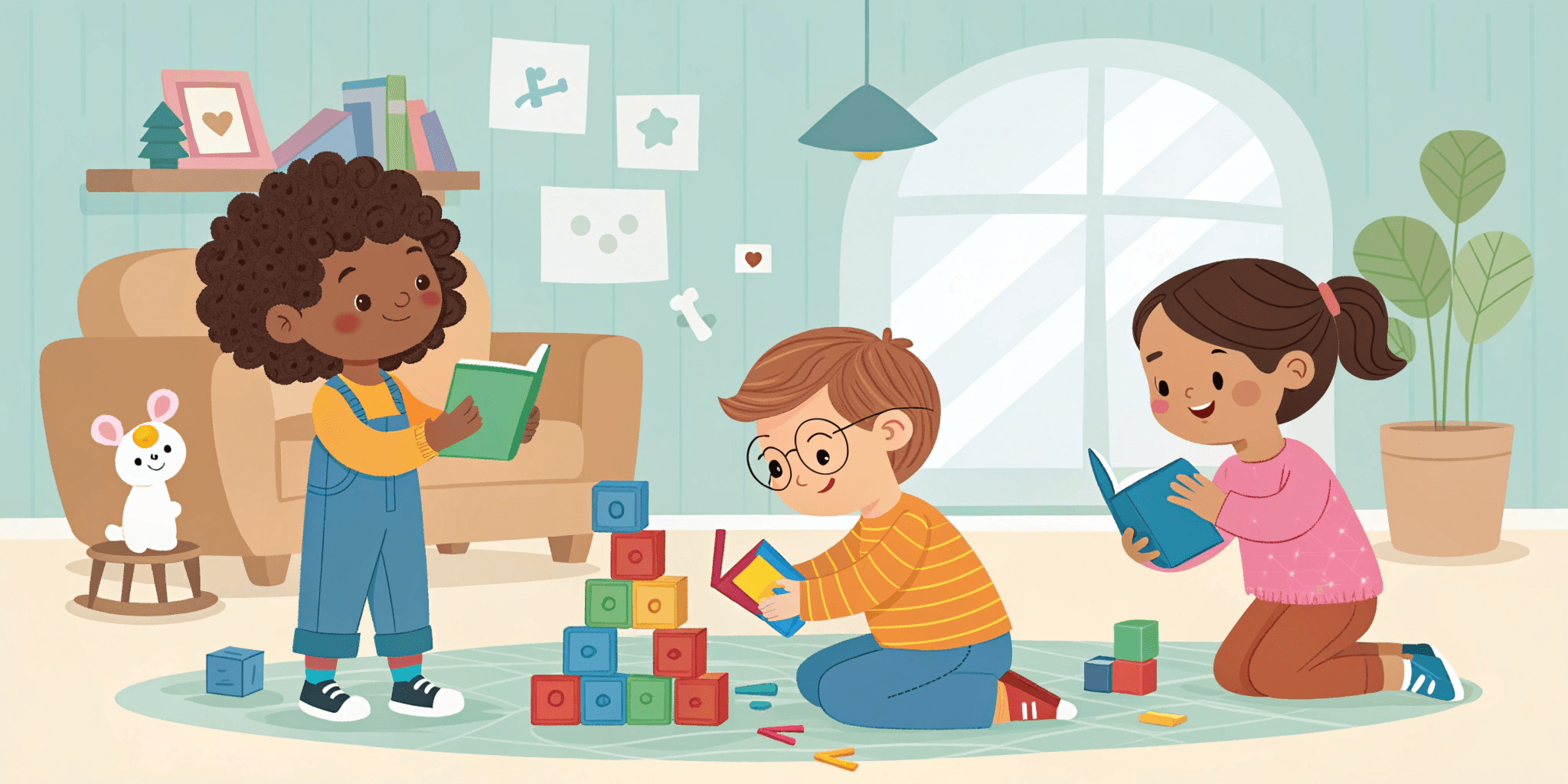
- Development of Fine Motor Skills: Activities like arts and crafts improve hand-eye coordination.
- Enhancement of Cognitive Abilities: Puzzles and STEM tasks boost critical thinking.
- Improvement in Social Skills: Group games encourage teamwork and communication.
- Strengthening of Parent-Child Bonds: Shared activities create lasting memories.
- Building Creativity and Imagination: Role-playing games inspire innovative thinking.
- Supporting Emotional Regulation: Relaxing activities like yoga promote mindfulness.
Age-Appropriate Indoor Activities for Kids
Activities for Toddlers (Ages 1-3)
Toddlers need activities that develop motor skills and sensory awareness while keeping them safe and engaged.
Sensory Bins
- Create themed sensory bins using child-safe materials such as:
- Dried rice or pasta
- Kinetic sand
- Water beads
- Soft fabric scraps
- Always supervise toddlers during sensory play to prevent choking hazards.
Simple Art Projects
- Finger painting with washable paints
- Coloring with chunky crayons
- Play-dough exploration
- Sticker art
Activities for Preschoolers (Ages 3-5)
Preschoolers benefit from activities that combine learning with play and help develop pre-reading and basic math skills.
Educational Games
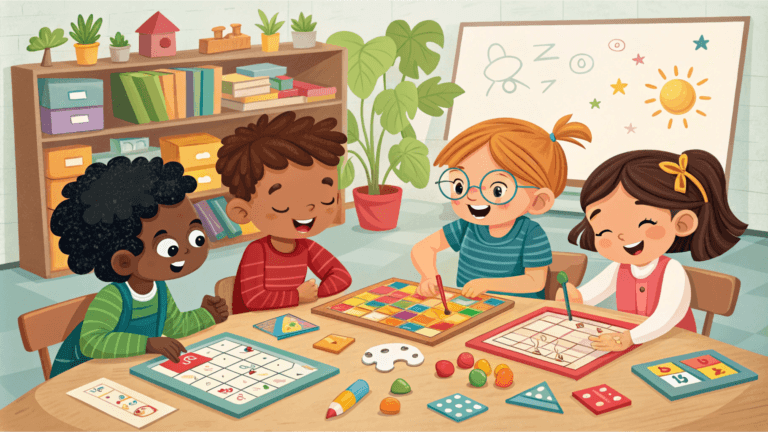
- Letter and number recognition games
- Simple counting activities
- Pattern matching exercises
- Basic puzzle solving
Creative Play
- Dress-up and imaginative play
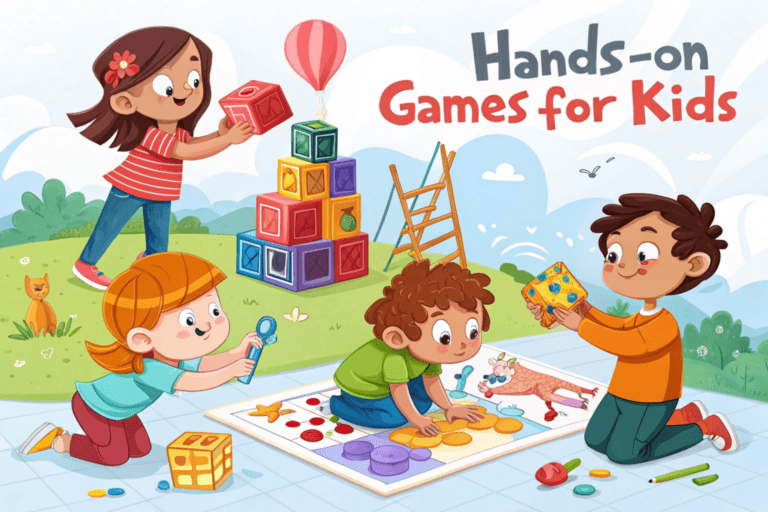
- Building with blocks
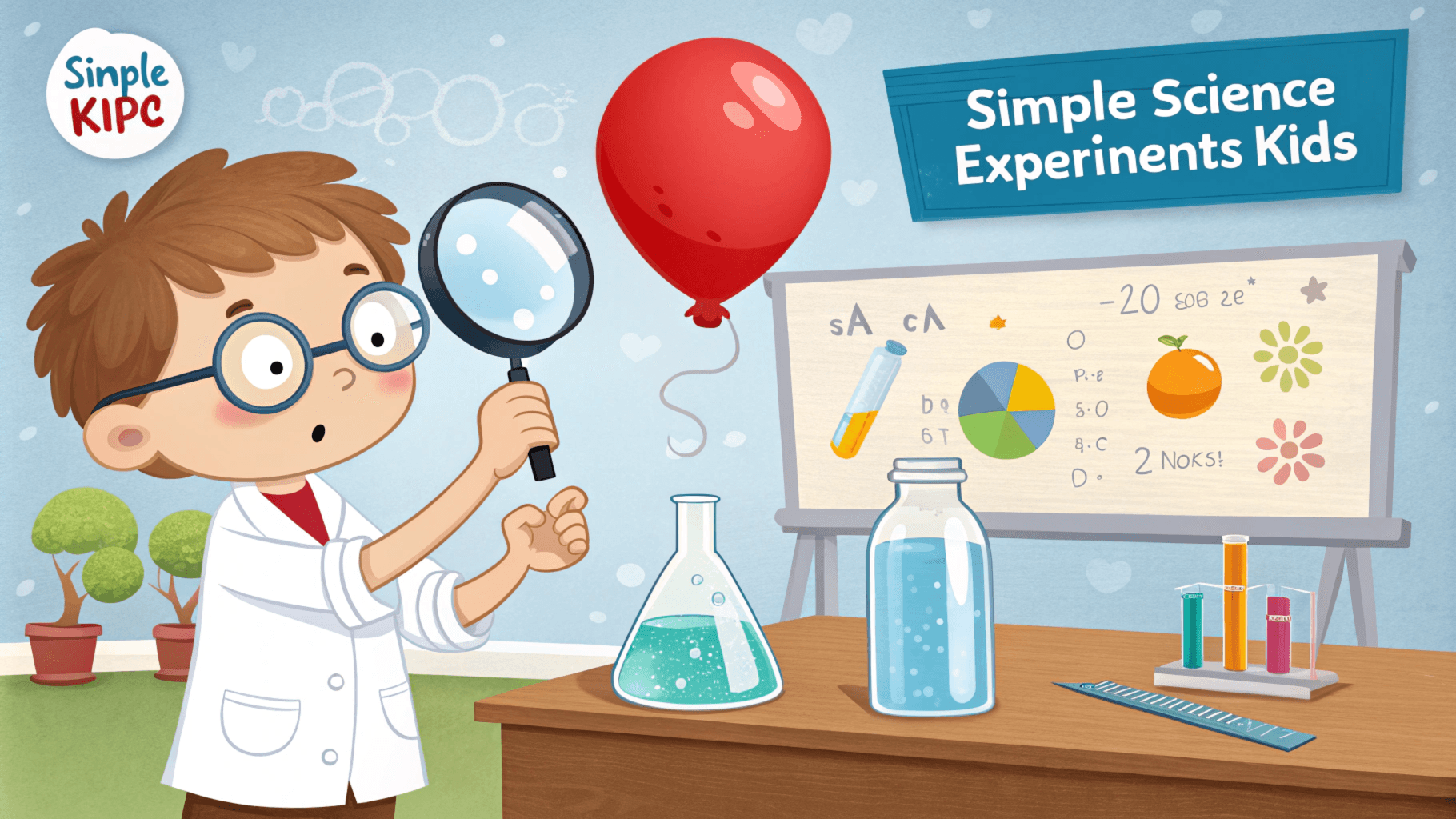
- Simple science experiments
- Music and movement activities
Activities for School-Age Children (Ages 6-12)
School-age children need more complex activities that challenge their growing abilities and maintain their interest.
STEM Activities
- Building challenges using household items
- Simple coding exercises
- Science experiments
- Math games and puzzles
Arts and Crafts
- Drawing and painting projects
- DIY craft activities
- Origami
- Jewelry making
Educational Indoor Activities for Kids
Reading and Writing Activities
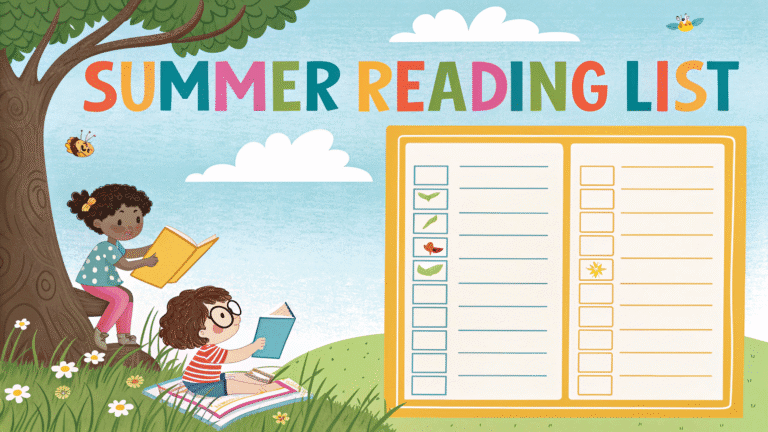
- Create a reading nook with cozy cushions and a variety of books.
- Start a book club with family members or friends.
- Encourage children to write and illustrate their own stories.
- Practice creative writing through prompts and storytelling games.
Math and Science Projects
- Engage kids in cooking and baking, measuring ingredients as a practical math lesson.
- Build simple machines like pulleys and levers using household items.
- Conduct safe experiments, such as making a baking soda volcano.
- Create graphs and charts to track progress in activities or household routines.
Physical Indoor Activities for Kids
Movement is crucial for children’s development, even when indoors. Here are activities that keep kids active:
Indoor Exercise Ideas
- Yoga for kids with guided videos or simple poses
- Dance parties to upbeat music
- Indoor obstacle courses using pillows, chairs, and toys
- Exercise videos designed for children
Active Play Options
- Simon Says for following instructions
- Musical chairs to promote quick thinking
- Indoor bowling with plastic bottles and a soft ball
- Balloon volleyball to improve hand-eye coordination
Technology-Based Learning Activities
While screen time should be monitored, certain technology-based activities can be both educational and entertaining.
Educational Apps and Games
- Math and reading apps for interactive learning
- Virtual museum tours to explore history and art
- Educational YouTube channels for kids
- Interactive learning platforms for various subjects
Digital Creativity
- Digital art creation using apps
- Basic video editing for storytelling projects
- Simple coding games to learn programming basics
- Virtual music lessons for budding musicians
Rainy Day Activities for Kids
Having specific activities planned for rainy days can help maintain routine and excitement.
Indoor Camping
- Build a fort using blankets and furniture.
- Tell stories by flashlight or read books together.
- Have an indoor picnic with easy-to-clean snacks.
- Create shadow puppet shows using a flashlight and cutouts.
Indoor Treasure Hunts
- Set up scavenger hunts with clues and hidden objects.
- Play hide-and-seek variations, such as finding hidden toys.
- Organize letter or number hunts for preschoolers.
- Conduct photo challenge hunts using a smartphone or tablet.
Tips for Success with Indoor Activities
Creating a Conducive Environment
- Designate specific areas for different activities.
- Ensure proper lighting and ventilation.
- Make cleanup materials easily accessible.
- Create a schedule or routine to manage time effectively.
Safety Considerations
- Child-proof the activity area to prevent accidents.
- Use age-appropriate materials for activities.
- Supervise children, especially during hands-on or messy activities.
- Keep first aid supplies nearby for minor injuries.
Organization and Storage
- Label storage containers for easy identification.
- Rotate activities to maintain children’s interest.
- Create themed activity boxes for different interests.
- Maintain an inventory of supplies to avoid last-minute shopping.
Making Indoor Activities Educational
Incorporating Learning Objectives
- Include counting and math concepts in everyday play.
- Practice reading and writing through storytelling and games.
- Explore science principles with simple experiments.
- Develop problem-solving skills with puzzles and challenges.
Documentation and Assessment
- Take photos of completed projects to document progress.
- Create portfolios of artwork and crafts for future reference.
- Track skill development in areas like reading, writing, or math.
- Celebrate achievements to motivate continued learning.
Wrap Up!
Indoor activities for kids don’t have to be boring or repetitive. With proper planning and creativity, you can create engaging, educational, and entertaining experiences that support your child’s development. Remember to rotate activities, stay flexible, and most importantly, have fun while learning together.
Remember to adapt these activities to your child’s interests and abilities, and don’t hesitate to get creative with materials you have at home. The key is to maintain a balance between structure and free play while ensuring activities are both educational and enjoyable.
Start exploring these indoor activities today! Share this guide with other parents or caregivers and let us know which activities your kids loved the most. Together, we can make every indoor day a joyful and enriching experience.
Additional Resources
Recommended Books
- “The Busy Book Bundle” by Trish Kuffner
- “150+ Screen-Free Activities for Kids” by Asia Citro
- “The Ultimate Book of Kid Concoctions” by John E. Thomas
Online Resources
- PBS Kids Activities
- National Geographic Kids
- Scholastic Learn at Home
- NASA Kids’ Club
Local Resources
- Library programs
- Community center activities
- Museums with virtual programs
- Local parenting groups