
Fun & Simple Science Experiments for Kids
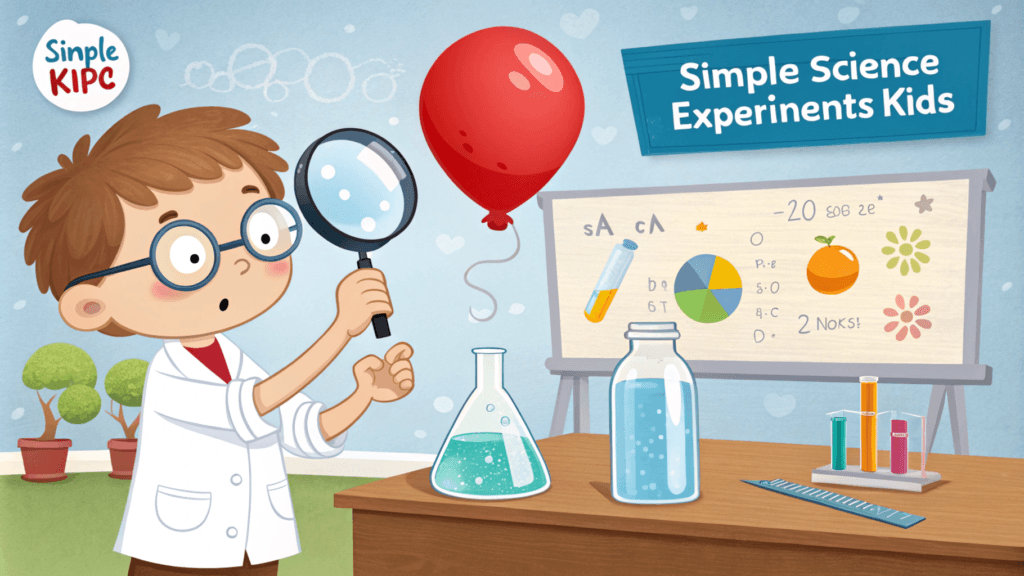
Welcome to Kids Arch! Today, we’re diving into the world of science with fun, easy experiments you can do at home. These activities are designed to spark curiosity and excitement while teaching kids valuable concepts like chemistry, physics, and even a little engineering. So, grab your lab coats (or aprons) and let’s get experimenting!
Science Experiments for Kids
1. Magic Milk Experiment
Materials: Milk, food coloring, dish soap, and a cotton swab.
Instructions: Pour a thin layer of milk into a shallow dish. Add drops of different colors of food coloring near the center. Dip a cotton swab in dish soap, then touch it to the milk. Watch as the colors swirl and dance!
Why It Works: The soap breaks down the fat molecules in the milk, causing the colors to move. It’s a beautiful way to introduce kids to chemical reactions!
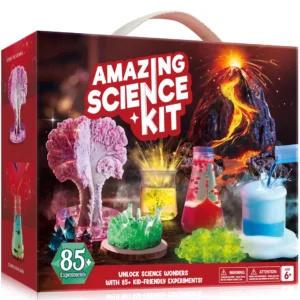
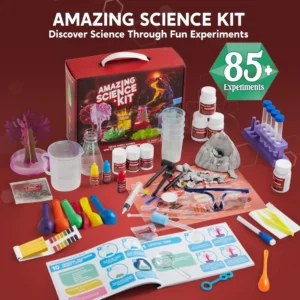
Spark an at-home science adventure with this kids science kit — 85+ hands-on experiments from volcano eruptions to crystal growing; grab yours today and turn curiosity into discovery.
-
Sale!

Educational Kids Science Kit Ages 6–12
Original price was: $40.00.$35.00Current price is: $35.00.
2. Baking Soda Volcano
Materials: Baking soda, vinegar, dish soap, and a container.
Instructions: Fill your container with baking soda and add a few drops of dish soap. Slowly pour in vinegar and watch as it fizzes and bubbles over!
Why It Works: This classic experiment demonstrates an acid-base reaction, and the dish soap adds extra froth for that “lava” effect. Perfect for little geologists!
3. Invisible Ink Messages
Materials: Lemon juice, cotton swab, white paper, and a heat source (like a lamp).
Instructions: Dip the cotton swab in lemon juice and write a secret message on the paper. Once it’s dry, hold the paper close to a light bulb or lamp to reveal your hidden words!
Why It Works: Lemon juice oxidizes when heated, turning brown and making your message visible. Kids will feel like secret agents!
4. Dancing Raisins
Materials: Clear soda (like Sprite), a glass, and raisins.
Instructions: Drop a few raisins into the glass of soda and watch them dance up and down!
Why It Works: Carbon dioxide bubbles attach to the raisins, lifting them up. When the bubbles pop, the raisins sink back down. This is a fun intro to the concept of buoyancy.
5. Balloon Rocket
Materials: Balloon, string, straw, and tape.
Instructions: Thread the string through the straw and tie the ends of the string to two chairs. Tape an inflated balloon to the straw (don’t tie the balloon), then release it and watch it shoot across the room!
Why It Works: The air escaping the balloon pushes it in the opposite direction, showing Newton’s third law: For every action, there’s an equal and opposite reaction.
6. Walking Water Experiment
Materials: Three clear cups, paper towels, and food coloring.
Instructions: Fill two outer cups with water and add food coloring (e.g., red and blue) to each. Place an empty cup between them, and then put a folded paper towel strip between each cup so it dips into the water. Watch as the colors move and mix!
Why It Works: This experiment demonstrates capillary action, which is how plants absorb water through their roots.
7. Cloud in a Jar
Materials: A jar with a lid, hot water, ice cubes, and hairspray.
Instructions: Pour hot water into the jar and swirl it around. Quickly spray hairspray into the jar, then place the lid with ice cubes on top. Watch as a “cloud” forms inside!
Why It Works: The hot water vapor condenses when it meets the cold air under the ice, forming a cloud. A great way to learn about the water cycle!
8. Color-Changing Flowers
Materials: White flowers (like carnations), water, and food coloring.
Instructions: Add food coloring to water in a vase, then place the white flowers in it. After a few hours, you’ll see the flowers change color.
Why It Works: The colored water travels up through the stem in a process called transpiration, which is how plants absorb nutrients.
9. Static Electricity Butterflies
Materials: Tissue paper, construction paper, balloon, and tape.
Instructions: Cut out butterfly shapes from tissue and construction paper. Tape the tissue wings to the construction paper body, then rub a balloon on your hair to create static electricity. Hold the balloon close to the tissue wings, and they’ll start to “flutter.”
Why It Works: Static electricity makes the tissue paper cling to the balloon, creating the effect of flapping wings. Kids can learn about electricity in a fun, hands-on way!
10. Salt Crystal Snowflakes
Materials: Pipe cleaners, salt, a jar, and water.
Instructions: Shape the pipe cleaner into a snowflake and hang it in a jar filled with hot saltwater. Leave it for a few days and watch crystals form!
Why It Works: As the water evaporates, salt particles cling to the pipe cleaner, forming crystals. This experiment teaches patience and the science of crystallization.
Wrap-Up: Learning Through Play
Each of these experiments is designed to be simple, safe, and fun. They’re great for sparking curiosity and helping kids develop an early love for science. Remember, the best part of learning is exploring together! Stay tuned for more fun activities, ideas, and tips here at Kids Arch—where every day is an adventure in learning.
3 Comments