
Empowering Personal Development for Kids: 7 Proven Strategies
In today’s fast-paced, digital world, fostering personal development for kids is not just a goal but a necessity. Children face a constantly evolving environment filled with academic pressures, social challenges, and emotional struggles. Personal growth refers to the comprehensive development of a child’s emotional, social, and cognitive abilities, equipping them to thrive both in childhood and as adults.
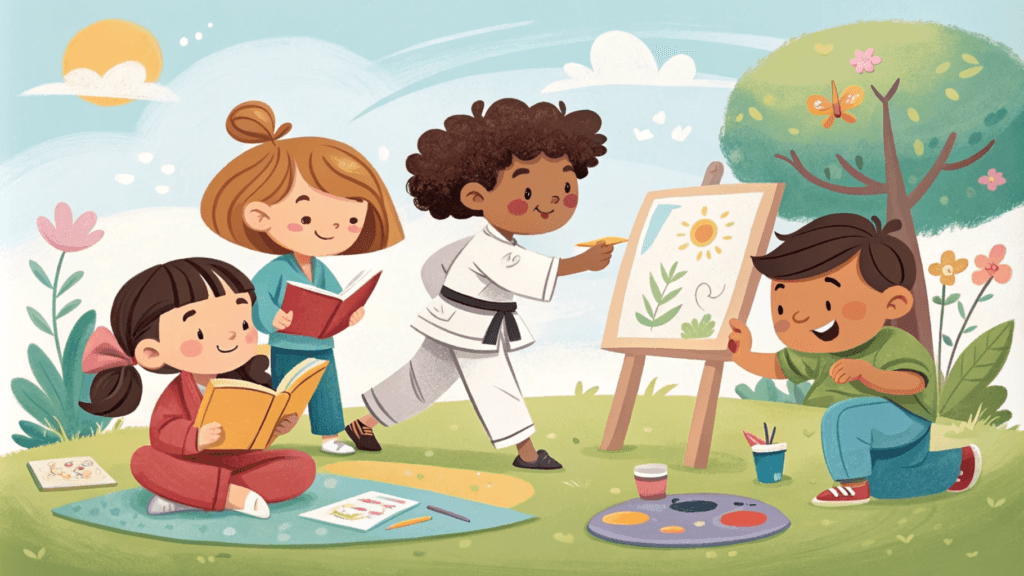
This article explores evidence-based strategies to unlock kids’ potential for personal growth. From instilling a growth mindset to engaging in activities that foster personality development and building emotional intelligence, parents and educators can play a pivotal role. By nurturing these aspects, we help children develop resilience, confidence, and a lifelong passion for learning.
Understanding the Concept of Kids Personal Development
What is Personal Development for Kids?
Personal development in children is the process through which they gain the skills, attitudes, and knowledge needed to reach their full potential. Unlike academic achievements alone, personal growth focuses on a child’s ability to manage emotions, build relationships, and think critically, setting the foundation for a balanced and fulfilling life.
Key Areas of Personal Development
- Emotional Development
Emotional growth involves understanding and managing feelings, developing empathy, and navigating social interactions with confidence. Children who grow emotionally are better equipped to handle challenges and build healthy relationships. - Social Development
This includes learning how to communicate effectively, work collaboratively, and resolve conflicts. Strong social skills are crucial for building meaningful relationships and thriving in group environments. - Cognitive Development
Cognitive growth enhances problem-solving abilities, decision-making skills, and intellectual curiosity. Encouraging this area ensures children develop a lifelong love of learning and critical thinking abilities.
Why Personal Development Matters
Personal development lays the foundation for success in all areas of life. According to the American Psychological Association, children who develop social-emotional skills early are more likely to succeed academically, form positive relationships, and demonstrate resilience in the face of adversity.
Statistics Supporting the Importance of Personal Development
- A CASEL (Collaborative for Academic, Social, and Emotional Learning) study found that students who participated in personal development programs were 11% more likely to achieve higher grades and display improved behavior.
- A longitudinal study from Harvard University found that children with strong emotional intelligence (EI) were 30% more likely to achieve long-term career satisfaction.
By focusing on these three pillars—emotional, social, and cognitive development—parents and educators create a well-rounded foundation for children’s success.
The Importance of a Growth Mindset
What is a Growth Mindset?
A growth mindset, a term popularized by psychologist Dr. Carol Dweck, is the belief that intelligence, skills, and abilities can be developed through effort, learning, and persistence. In contrast, a fixed mindset assumes that these traits are innate and unchangeable.
Children with a growth mindset approach challenges with curiosity and resilience, viewing setbacks as opportunities to learn rather than signs of failure.
Benefits of a Growth Mindset
- Enhanced Learning: Children are more willing to embrace new challenges and acquire new skills.
- Reduced Anxiety: By focusing on effort over results, kids feel less pressure to perform perfectly.
- Increased Confidence: They learn to see failures as part of the growth process, which helps build self-esteem.
Practical Tips for Encouraging a Growth Mindset
- Use Positive Language
Replace phrases like “You’re so smart” with “I’m proud of how hard you worked.” This shifts the focus to effort rather than innate ability. - Encourage Reflection
Ask questions like, “What did you learn from this experience?” or “What could you try differently next time?” These prompts help kids see challenges as learning opportunities. - Model Growth Mindset Behavior
Share your own experiences of overcoming obstacles and emphasize the effort it took to succeed. - Create a Safe Space for Mistakes
Encourage children to take risks and reassure them that failure is a stepping stone to growth. For instance, celebrate attempts, even if they don’t lead to immediate success.
Case Studies
A middle school in California implemented a year-long growth mindset program. By the end of the year, students reported a 20% increase in academic engagement and a noticeable improvement in their willingness to tackle difficult tasks.
Engaging Activities for Personality Development
Why Activities Matter for Growth
Hands-on activities help children develop practical skills while fostering creativity, teamwork, and self-expression. These activities go beyond academics to address emotional and social growth, providing opportunities for children to explore their interests and build confidence.
Suggested Activities for Personality Development
- Storytelling
- Benefits: Storytelling helps children develop empathy, listening skills, and self-expression.
- How to Implement: Host family storytelling nights where kids can share personal experiences or imaginative tales. Use prompts to inspire creativity, such as “What would you do if you were invisible for a day?”
- Arts and Crafts
- Benefits: Enhances fine motor skills, fosters self-expression, and builds patience.
- How to Implement: Provide materials like paints, clay, or recycled items for open-ended creative projects. Encourage kids to explain their artwork to promote communication skills.
- Team-Building Activities
- Benefits: Teaches cooperation, leadership, and problem-solving.
- How to Implement: Engage children in group tasks like creating a scavenger hunt, building a tower with limited resources, or organizing a charity event.
- Public Speaking Workshops
- Benefits: Boosts confidence, articulation, and the ability to express ideas clearly.
- How to Implement: Encourage kids to present speeches on topics they’re passionate about or participate in debates and drama activities.
Evidence from Research
Educational studies show that children engaged in regular extracurricular activities demonstrate a 15% improvement in their confidence and problem-solving abilities. Educators have also reported higher levels of collaboration and creativity among children involved in team-building exercises.
Building Emotional Intelligence in Children
Emotional intelligence is the ability to understand, manage, and express emotions effectively while empathizing with others. It includes self-awareness, self-regulation, motivation, empathy, and social skills.
Children with high EI can navigate social situations, cope with stress, and form stronger relationships. Emotional intelligence is a predictor of academic success and overall happiness.
Strategies to Enhance Emotional Intelligence
- Mindfulness Practices
- Examples: Breathing exercises, yoga, or guided meditation for children.
- How It Helps: Mindfulness improves focus and reduces stress, helping children manage emotions effectively.
- Journaling
- Examples: Encourage children to write about their feelings, successes, and challenges in a journal.
- How It Helps: Journaling fosters self-awareness and emotional articulation, helping kids process their thoughts constructively.
- Role-Playing Social Scenarios
- Examples: Practice scenarios like resolving a conflict with a friend or introducing themselves to new people.
- How It Helps: Builds empathy and teaches appropriate emotional responses.
Research Insights
Studies from CASEL have shown that children participating in emotional intelligence programs demonstrate a 23% improvement in social behaviors and emotional well-being.
Real-Life Examples and Case Studies
- Transforming Through Art
An 8-year-old student with social anxiety found her voice through a school art program. Over time, she gained the confidence to present her work in class and actively engage with peers. - Building Resilience with Growth Mindset Practices
A 10-year-old struggling with math began setting small, achievable goals and celebrating progress. With encouragement and reflection, he transitioned from frustration to perseverance, ultimately excelling in the subject. - Emotional Growth Through Mindfulness
A group of third graders introduced to mindfulness practices showed significant improvements in managing anxiety during tests, with teachers reporting fewer behavioral incidents.
Supporting Data
- Programs integrating creative and mindfulness activities have resulted in a 28% reduction in behavioral issues in schools.
- Parent testimonials frequently highlight marked improvements in their children’s emotional regulation and social skills.
Final Words
Fostering personal development in children is a multifaceted approach involving emotional resilience, social skills, and cognitive flexibility. By nurturing these areas, parents and educators empower children to face challenges confidently, build meaningful relationships, and achieve lifelong success.
How do you nurture personal development in your child? Share your experiences or favorite strategies in the comments below. Don’t forget to subscribe to our newsletter for more expert insights on child development and tips to help your kids thrive! Together, let’s raise a generation of confident, resilient, and inspired young learners.
References
Child development outcomes at 2 to 2 and a half years: annual data 2021 to 2022 – GOV.UK
Advice for Personal Growth | Organization for Autism Research
One Comment