
Childcare and Self-Care for Parents: 5 Fun &Practical Ideas
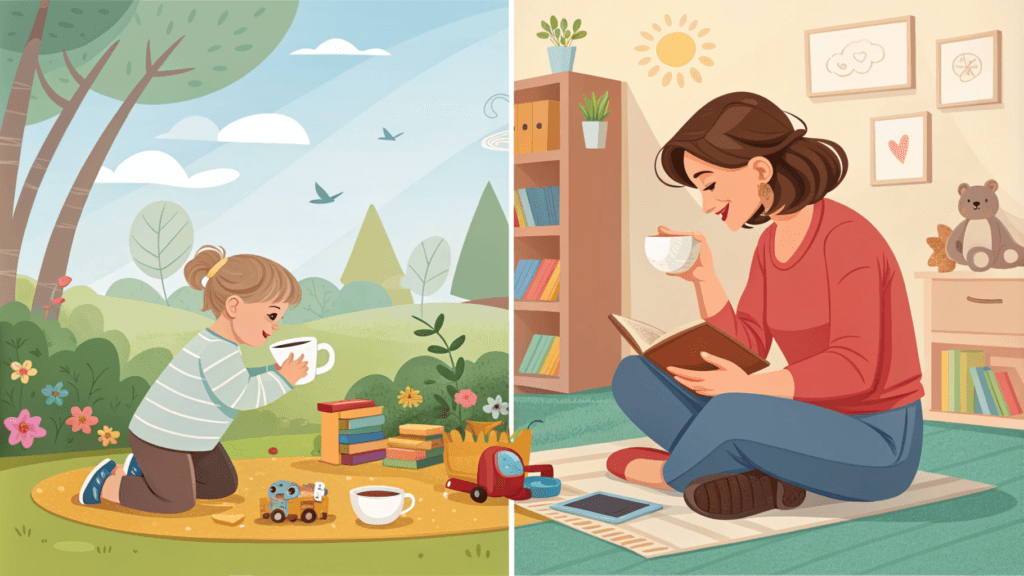
Finding Balance in the Journey of Parenthood
Parenthood is often described as one of the most rewarding, yet challenging experiences one can go through. The joy of watching your little one grow, explore, and discover the world is unparalleled. But along with this joy comes a substantial level of responsibility. Between ensuring that your child is safe, healthy, happy, and developing well, it’s easy to forget one crucial factor: your own well-being. This article delves into the intersection of childcare and self-care, highlighting why both are essential, how they’re interconnected, and practical ways to strike a balance that benefits both you and your children.
The Emotional Toll of Parenthood
Parenting can be incredibly fulfilling, but it can also be emotionally exhausting. According to research, over 60% of parents report feeling burnt out by the demands of raising children. When parents are sleep-deprived, mentally exhausted, or constantly overwhelmed, it affects not just their own well-being but also their ability to nurture and care for their children effectively.
The Pressure to be the “Perfect” Parent
In today’s age of social media and constant connectivity, parents often feel the pressure to live up to unrealistic standards. The perfectly curated Instagram feeds, the endless parenting blogs, and unsolicited advice from all corners can leave parents feeling inadequate. This quest for perfection can lead to overextending oneself—whether it’s trying to organize every moment of your child’s life or filling every weekend with activities. The reality, however, is that no parent is perfect, and striving to be one can leave you drained, stressed, and emotionally distant.
Why Self-Care is Not Selfish
One of the biggest misconceptions parents have is that focusing on self-care is selfish. In truth, self-care is an essential aspect of being an effective parent. A parent who is calm, rested, and emotionally healthy is better equipped to provide the love, patience, and care that their child needs.
Self-care is not just about indulging in occasional treats; it’s about making your physical, emotional, and mental health a priority. This doesn’t mean neglecting your child but rather creating a healthier and more balanced dynamic in the household.
How Self-Care Benefits Your Child
Children are incredibly perceptive and often pick up on their parents’ stress levels. If you’re constantly frazzled, your child may sense this and become anxious or stressed themselves. By taking time to care for yourself, you set a positive example for your children about the importance of self-worth, healthy boundaries, and managing stress.
The Intersection of Child Care and Self-Care
Parenting doesn’t have to be a zero-sum game where every ounce of your energy goes toward your child, leaving nothing for yourself. In fact, the best approach is to integrate self-care into your childcare routine, creating a system where both you and your child can thrive.
Self-Care for Parents: Finding Balance
Here are several strategies that can help you strike a balance between caring for your child and taking care of yourself:
- 1. Establish a Routine: Consistent routines are beneficial for children and can also help parents carve out time for themselves. By having a predictable schedule, you can set aside time each day to relax, exercise, or engage in activities you enjoy,
- 2. Delegate Tasks and Accept Help: Many parents feel they have to do everything themselves. However, delegating tasks to your partner, family members, or even hiring help can lighten the load. Remember, it takes a village to raise a child.
- 3. Practice Mindfulness Together: You don’t have to meditate alone. Incorporating mindfulness exercises like deep breathing, stretching, or even simple yoga poses into your child’s playtime can be beneficial for both of you. It’s a great way to connect while also reducing stress.
- 4. Prioritize Sleep: Lack of sleep is one of the fastest ways to feel drained and overwhelmed. Ensuring that both you and your child get adequate rest can significantly improve your mood, patience, and overall well-being.
- 5. Incorporate Playful Exercise: Physical activity is a great stress reliever. Instead of trying to find time to go to the gym, engage in playful activities with your children—like dancing around the house, going for nature walks, or playing catch in the yard.
- 6. Create a “Parenting Support System”: Connect with other parents who can offer advice, share experiences, or simply lend an empathetic ear. Knowing you’re not alone in your struggles can be incredibly reassuring.
Practical Self-Care Ideas for Busy Parents
While the concept of self-care sounds great, finding the time for it can be a challenge, especially with young children. Here are some realistic self-care ideas that can fit into your busy schedule:
- Micro-Moments of Self-Care: Utilize brief moments in the day to do something small for yourself. This could be a 5-minute break to enjoy a cup of coffee, listening to a favorite song, or even just stepping outside to breathe some fresh air.
- Digital Detox: Social media can be draining and can perpetuate the myth of the perfect parent. Try unplugging for an hour or two each day to focus on being present with your family and yourself.
- Indulge in a Hobby: Remember that hobby you used to love before having kids? Whether it’s painting, knitting, gardening, or reading, carve out some time to reconnect with activities that bring you joy.
- Healthy Eating Habits: It’s easy to skip meals or grab something unhealthy when you’re constantly on the go. Prepare simple, nutritious snacks that you can eat throughout the day to keep your energy levels up.
- Date Nights with Yourself (or Your Partner): Schedule regular date nights—whether it’s with your partner or just a solo evening to unwind. It could be as simple as watching a movie, enjoying a quiet dinner, or soaking in a bubble bath.
The Power of Saying “No”
One of the most powerful self-care practices is learning to say “no.” As a parent, you might feel pressured to attend every event, volunteer at every school function, or take on additional responsibilities. However, overcommitting yourself can lead to burnout. Setting healthy boundaries allows you to conserve your energy for what truly matters.
Teaching Your Child About Self-Care
Children learn best by example, so by prioritizing your own self-care, you’re also teaching your child valuable life skills. Here are a few ways to instill self-care habits in your children:
- Encourage Downtime: Teach your child that it’s okay to take breaks and have quiet time. This could be reading a book, coloring, or just relaxing.
- Model Healthy Behaviors: Let your children see you taking care of yourself, whether it’s through exercise, healthy eating, or simply enjoying a hobby. This reinforces the idea that self-care is a normal part of life.
- Talk About Emotions: Normalize conversations about feelings and mental health. Let your child know it’s okay to feel overwhelmed sometimes and that there are healthy ways to cope.
The Journey Toward Balance
Childcare and self-care are not mutually exclusive. In fact, they complement each other in beautiful ways. By making self-care a priority, you can show up as a more present, patient, and loving parent. Remember, taking care of yourself is not only beneficial for you but also for your child. A happy parent often leads to a happy child, creating a healthier and more fulfilling family life.
Striking a balance between caring for your child and yourself is an ongoing journey. It won’t always be perfect, and that’s okay. The key is to keep trying, adjust as needed, and give yourself grace along the way. After all, you’re doing one of the hardest jobs in the world—being a parent.

One Comment