
Understanding Dark Circles in Children
Picture this: you’re getting your child ready for school one morning when you notice something that makes you pause. Those familiar dark shadows under their eyes seem more pronounced than usual, giving your normally bright-eyed child a tired, almost grown-up appearance that doesn’t quite fit their youthful energy. If you’ve found yourself in this situation, you’re certainly not alone in wondering about dark circles in kids.
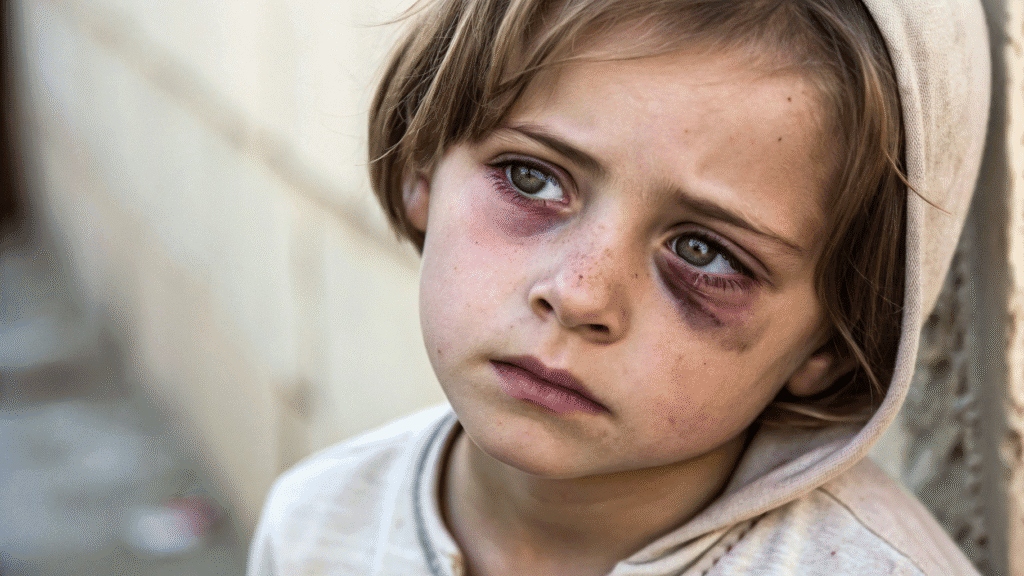
Dark circles, medically known as periorbital hyperpigmentation, are exactly what they sound like – darkened areas of skin that appear beneath the eyes, creating a shadowy or bruised appearance. While we often associate these telltale signs of fatigue with overworked adults burning the midnight oil, the reality is that children can develop dark circles too, and for a surprisingly wide variety of reasons.
The skin around our eyes is naturally thinner than anywhere else on our body – imagine tissue paper compared to regular writing paper. This delicate area contains tiny blood vessels that can become more visible when various factors come into play, creating that darker appearance we recognize as dark circles. In children, this phenomenon can be particularly noticeable because their skin is generally thinner and more transparent than adult skin.
For many parents, noticing dark circles under their child’s eyes triggers an immediate wave of concern. Questions start flooding in: Is my child getting enough sleep? Are they sick? Could this be a sign of something more serious? These worries are completely natural and show just how attentive you are to your child’s wellbeing. The good news is that in the vast majority of cases, dark circles in children are completely harmless and often temporary.
However, understanding the various causes behind pediatric dark circles can help you better support your child’s health and know when it might be time to consult with your pediatrician. Think of this knowledge as adding another tool to your parenting toolkit – the more you understand about what might be causing those shadows under your child’s eyes, the better equipped you’ll be to address them effectively and put your own mind at ease.
Why Kids have Dark Circles: Possible Causes
Understanding why children develop dark circles requires us to think like detectives, examining all the possible clues that might lead to this common condition. Just as no two children are exactly alike, the reasons behind their dark circles can vary significantly from one child to another.
Genetics and Family History: The Inherited Shadow
One of the most straightforward explanations for dark circles in children is also one that parents have the least control over – genetics. If you or your partner have always battled with dark circles, there’s a good chance your child has simply inherited this trait. Think of it like inheriting your grandmother’s eyes or your father’s nose – some physical characteristics are simply passed down through families.
The genetic component of dark circles in kids often relates to several inherited factors working together. Some children inherit naturally thinner skin around the eyes, making blood vessels more visible and creating that darker appearance. Others might have inherited a tendency toward deeper-set eyes, which can create natural shadows that appear as dark circles even when the child is perfectly healthy and well-rested.
Certain ethnic backgrounds also show a higher prevalence of dark circles due to natural variations in skin pigmentation and structure. Children of Mediterranean, Middle Eastern, or South Asian descent, for example, may be more prone to developing dark circles simply due to their genetic makeup. This doesn’t indicate any health problem – it’s simply part of their natural appearance, much like having brown eyes or curly hair.
Understanding the genetic component can actually be quite reassuring for parents. If dark circles run in your family and your child shows no other concerning symptoms, you can often rest assured that this is simply part of their inherited appearance rather than a sign of illness or poor health habits.
Allergies and Nasal Congestion: The Hidden Connection
One of the most common yet often overlooked causes of dark circles in children is allergies. This connection might not be immediately obvious, but once you understand how allergies affect the delicate area around the eyes, it becomes much clearer why so many children with allergic conditions also develop dark circles.
When children experience allergic reactions – whether to dust mites, pet dander, pollen, or food allergens – their bodies respond with inflammation. This inflammation often affects the nasal passages and sinuses, leading to congestion. Here’s where the connection to dark circles becomes apparent: when nasal passages are congested, blood flow around the eyes can become compromised, causing blood to pool in the tiny vessels beneath the eyes and creating that characteristic dark appearance.
Seasonal allergies, in particular, can cause dramatic changes in the appearance of dark circles. You might notice that your child’s dark circles become much more pronounced during spring when pollen counts are high, or in fall when ragweed is prevalent. Some parents report that their children’s dark circles seem to appear and disappear with the changing seasons, directly correlating with their allergy symptoms.
Food allergies can also contribute to dark circles in children. Common culprits include dairy products, wheat, eggs, and nuts. If you notice that your child’s dark circles seem to worsen after eating certain foods, it might be worth keeping a food diary to track potential connections. However, it’s important to work with your pediatrician or an allergist before making significant dietary changes or assumptions about food allergies.
Chronic nasal congestion from any cause – not just allergies – can contribute to dark circles. Children who frequently breathe through their mouths due to blocked nasal passages may develop dark circles as a result of the altered blood flow patterns around their eyes and face.
Lack of Sleep and Fatigue: The Classic Culprit
While genetics and allergies are significant factors, we can’t overlook the classic cause of dark circles that most adults are familiar with – insufficient sleep. Children, just like adults, can develop dark circles when they’re not getting adequate rest, though the mechanisms behind this are more complex than many parents realize.
When children don’t get enough sleep, several physiological changes occur that can contribute to dark circles. Blood vessels around the eyes can dilate, becoming more visible through the thin skin and creating a darker appearance. Additionally, lack of sleep can cause the skin to become paler, which makes the contrast with any darkness around the eyes more pronounced – essentially making existing dark circles appear more dramatic.
The amount of sleep children need varies significantly by age. Toddlers typically need 11-14 hours of sleep per day, preschoolers need 10-13 hours, and school-age children need 9-11 hours. When children consistently fall short of these recommendations, dark circles can be one of the visible signs that their bodies are not getting adequate rest.
It’s worth noting that sleep quality matters just as much as sleep quantity. Children who experience disrupted sleep – perhaps due to sleep apnea, restless leg syndrome, or frequent nightmares – may develop dark circles even if they’re technically spending enough hours in bed. This is because their bodies aren’t getting the deep, restorative sleep they need to function optimally.
Modern lifestyle factors can significantly impact children’s sleep patterns. Exposure to screens before bedtime, irregular sleep schedules, overstimulating activities close to bedtime, or sleeping in environments that are too bright, noisy, or warm can all interfere with both the quantity and quality of sleep children receive.
Nutritional Deficiencies and Dehydration: The Body’s SOS Signals
Our bodies are remarkably efficient at communicating when something isn’t quite right, and dark circles in children can sometimes serve as a visual indicator of nutritional gaps or dehydration. Understanding these connections can help parents address underlying issues that might be contributing to their child’s appearance.
Iron deficiency is one of the most commonly cited nutritional causes of dark circles in children. Iron plays a crucial role in carrying oxygen throughout the body via red blood cells. When children don’t have adequate iron stores, their blood may not carry oxygen as efficiently, potentially leading to a darker appearance around the eyes. Iron deficiency can occur in children who don’t eat enough iron-rich foods, have growth spurts that increase their iron needs, or have conditions that interfere with iron absorption.
However, it’s important to approach iron deficiency with caution and professional guidance. While iron supplements might seem like an obvious solution, giving children iron supplements without proper medical supervision can actually be dangerous. Too much iron can be toxic, so any concerns about iron deficiency should be discussed with a pediatrician who can order appropriate blood tests if necessary.
Dehydration is another factor that can contribute to dark circles in children. When the body doesn’t have adequate fluids, the skin can appear dull and more translucent, making blood vessels more visible. Children are particularly susceptible to dehydration because they have higher surface area to body weight ratios than adults and may not always recognize or communicate their thirst effectively.
Other nutritional factors that might contribute to dark circles include deficiencies in vitamins K, C, and E, all of which play roles in skin health and blood vessel integrity. A diet lacking in fresh fruits and vegetables, whole grains, and adequate protein might contribute to the development of dark circles, though this is typically part of a broader pattern of nutritional inadequacy rather than an isolated problem.
Other Medical Factors: Asthma, Eczema, and Beyond
Several other medical conditions can contribute to the development of dark circles in children, often through indirect mechanisms that affect sleep, breathing, or overall health status.
Asthma is a significant contributor to dark circles in many children. The connection works through several pathways: children with asthma often experience disrupted sleep due to nighttime symptoms, they may have associated allergies that contribute to nasal congestion, and the chronic inflammatory nature of asthma can affect overall circulation and appearance. Additionally, some asthma medications can affect sleep patterns, potentially contributing to the development of dark circles.
Eczema, or atopic dermatitis, is another condition frequently associated with dark circles in children. The relationship is multifaceted – children with eczema often have concurrent allergies that can cause nasal congestion and dark circles. They may also experience disrupted sleep due to itching and discomfort from their skin condition. Furthermore, the chronic inflammation associated with eczema can sometimes extend to the delicate skin around the eyes.
Sinus infections or chronic sinusitis can create persistent nasal congestion that leads to dark circles. Unlike temporary congestion from a cold, chronic sinus issues can cause long-lasting changes in blood flow around the eyes, leading to persistent dark circles that don’t resolve quickly.
Less commonly, more serious medical conditions can manifest with dark circles as one of many symptoms. These might include kidney problems, liver issues, or certain genetic conditions. However, it’s crucial to emphasize that when serious medical conditions cause dark circles, they virtually always come with other, more obvious symptoms that would prompt medical attention.
When Parents Should Worry: Recognizing Red Flags
While dark circles in children are usually harmless, there are certain situations where they might indicate something that warrants medical attention. Learning to distinguish between normal, benign dark circles and those that might signal underlying health issues is an important skill for parents to develop.
Think of this section not as a source of anxiety, but as a guide to help you become a more informed advocate for your child’s health. Just as you learned to distinguish between a normal cry and one that signals distress when your child was a baby, recognizing when dark circles might be concerning is another way you can stay attuned to your child’s wellbeing.
Signs That May Indicate Underlying Health Issues
Several characteristics of dark circles or accompanying symptoms should prompt a conversation with your pediatrician. Sudden onset of severe dark circles, especially when accompanied by other symptoms, deserves medical attention. If your child has never had dark circles and they appear dramatically and persist, this change warrants investigation.
Dark circles accompanied by persistent fatigue that doesn’t improve with adequate sleep might indicate underlying health issues. While children can certainly have tired days, persistent exhaustion combined with dark circles could suggest problems with sleep quality, nutritional deficiencies, or other medical conditions that affect energy levels.
Changes in behavior, appetite, or growth patterns alongside the development of dark circles should be evaluated by a healthcare professional. If your normally energetic child becomes consistently lethargic, loses interest in activities they previously enjoyed, or shows changes in eating patterns along with developing dark circles, these could be signs that something more significant is occurring.
Breathing difficulties, frequent headaches, or persistent nasal congestion accompanying dark circles might indicate allergies, sinus problems, or other respiratory issues that could benefit from medical treatment. While these symptoms individually might not cause alarm, their combination with dark circles could suggest that your child would benefit from professional evaluation and treatment.
When to Consult a Pediatrician
The decision of when to consult a pediatrician about dark circles can feel challenging for parents. You don’t want to overreact to normal variations in your child’s appearance, but you also don’t want to miss something important. Here’s a practical framework to help guide your decision-making.
Schedule a consultation if dark circles appear suddenly and dramatically in a child who has never had them before, especially if they persist for more than a few weeks despite adequate sleep and good general health. While this could still be completely benign, sudden changes in appearance often warrant professional evaluation to rule out underlying causes.
Seek medical advice if dark circles are accompanied by other concerning symptoms such as persistent fatigue, frequent headaches, breathing difficulties, changes in appetite or growth, or behavioral changes. The combination of symptoms provides important clues that can help healthcare providers determine whether further investigation is needed.
Consider consulting your pediatrician if you suspect allergies might be contributing to your child’s dark circles, especially if you notice seasonal patterns or connections to specific triggers. Proper allergy management can significantly improve quality of life and may help resolve dark circles if allergies are indeed the underlying cause.
Don’t hesitate to bring up dark circles during routine pediatric visits, even if you’re not particularly concerned. Your pediatrician can provide reassurance if everything appears normal or suggest simple interventions if appropriate. Sometimes discussing your observations with a healthcare professional can provide peace of mind and practical guidance.
Remember that you know your child better than anyone else. If something about their appearance or behavior seems different or concerning to you, trust your instincts and seek professional guidance. Pediatricians are accustomed to parental concerns and can help distinguish between normal variations and issues that might benefit from intervention.
Tips for Parents: Practical Solutions and Interventions
Now that we’ve explored the various causes of dark circles in children and when they might be concerning, let’s focus on practical strategies you can implement to help reduce their appearance and support your child’s overall health. Think of these approaches as building blocks – you might find that one strategy makes a significant difference, or you might need to combine several approaches to see improvement.
Improving Sleep Quality and Quantity
Creating an optimal sleep environment for your child is one of the most impactful steps you can take to address dark circles. This goes beyond simply ensuring your child gets to bed on time – it involves creating conditions that promote deep, restorative sleep throughout the night.
Start by establishing a consistent bedtime routine that signals to your child’s body that it’s time to wind down. This routine should begin 30-60 minutes before actual bedtime and might include activities like a warm bath, reading together, or gentle stretching. The key is consistency – following the same sequence of calming activities each night helps regulate your child’s internal clock and prepares their body for sleep.
The sleep environment itself plays a crucial role in sleep quality. Your child’s bedroom should be cool, dark, and quiet. Consider blackout curtains if outside light is an issue, and a white noise machine if household or neighborhood sounds tend to disturb sleep. The temperature should be comfortable – typically between 65-70 degrees Fahrenheit works well for most children.
Screen time before bed can significantly impact sleep quality. The blue light emitted by tablets, phones, televisions, and computers can interfere with the production of melatonin, the hormone that helps regulate sleep cycles. Establish a “screen curfew” at least one hour before bedtime, and consider keeping electronic devices out of bedrooms entirely.
Pay attention to your child’s natural sleep patterns and work with them rather than against them. Some children are naturally early risers, while others are night owls. While you might need to work within the constraints of school schedules, try to align bedtimes and wake times as closely as possible with your child’s natural rhythms.
Addressing Allergies and Environmental Triggers
If you suspect allergies might be contributing to your child’s dark circles, there are several steps you can take to reduce their exposure to common triggers and minimize allergic reactions.
For dust mite allergies, focus on the bedroom environment where your child spends many hours each night. Wash bedding weekly in hot water (at least 130 degrees Fahrenheit), use allergen-proof covers on mattresses and pillows, and consider replacing carpeting with hard flooring if possible. Regular vacuuming with a HEPA filter can also help reduce dust mite populations.
If seasonal allergies seem to correlate with your child’s dark circles, monitor local pollen counts and plan accordingly. Keep windows closed during high pollen days, use air conditioning with clean filters, and have your child shower and change clothes after spending time outdoors during peak allergy seasons.
Pet allergies can be particularly challenging because many families are emotionally attached to their animals. If you suspect pet dander is contributing to your child’s symptoms, try creating pet-free zones in the home, particularly in your child’s bedroom. Regular grooming and bathing of pets can also help reduce the amount of allergens they spread throughout the home.
Food allergies require careful attention and often professional guidance. If you suspect certain foods might be triggering your child’s dark circles, keep a detailed food diary noting what your child eats and any changes in their appearance or symptoms. However, avoid making dramatic dietary changes without consulting with your pediatrician or a registered dietitian, as growing children need balanced nutrition.
Nutritional Support and Hydration
Supporting your child’s overall health through proper nutrition and hydration can play a significant role in reducing the appearance of dark circles and promoting general wellbeing.
Ensure your child is getting adequate iron through their diet by including iron-rich foods such as lean meats, poultry, fish, beans, lentils, tofu, and iron-fortified cereals. Pairing iron-rich foods with vitamin C sources like citrus fruits, strawberries, or bell peppers can help improve iron absorption. However, remember that iron supplements should only be given under medical supervision.
Hydration is crucial for maintaining healthy-looking skin and supporting overall bodily functions. Encourage your child to drink water throughout the day, and pay attention to signs of dehydration such as dark urine, complaints of thirst, or dry mouth. The amount of water children need varies based on their age, activity level, and climate, but a general guideline is about 4-6 cups per day for younger children and 6-8 cups for older children and teens.
A diet rich in fruits and vegetables provides essential vitamins and antioxidants that support skin health and overall wellbeing. Vitamin K, found in leafy green vegetables, plays a role in blood clotting and circulation. Vitamin C, abundant in citrus fruits and berries, supports skin health and iron absorption. Vitamin E, found in nuts and seeds, has antioxidant properties that may benefit skin appearance.
Simple Home Remedies and Gentle Interventions
While dramatic interventions are rarely necessary for childhood dark circles, there are some gentle, safe approaches that might help reduce their appearance and provide comfort for your child.
Cool compresses can help reduce puffiness and provide temporary improvement in the appearance of dark circles. Use a clean, soft cloth dampened with cool water and gently apply to the closed eyes for a few minutes. This can be particularly soothing if allergies are contributing to eye irritation and dark circles.
Gentle massage around the eye area can help improve circulation, though this should be done very carefully given the delicate nature of the skin in this area. Using clean hands, very lightly massage in small circles around the orbital bone, being careful not to pull or stretch the skin.
Elevating your child’s head slightly during sleep might help reduce fluid accumulation around the eyes that can contribute to puffiness and dark circles. This can be accomplished with an extra pillow for older children, though be cautious with very young children where additional bedding might pose safety concerns.
Ensuring your child stays well-hydrated and gets adequate sleep remains the most effective “home remedy” for dark circles. These fundamental health practices support the body’s natural ability to maintain healthy circulation and skin appearance.
Preventative Measures for Long-term Success
Prevention is often easier than treatment, and establishing healthy habits early can help minimize the likelihood of dark circles developing or worsening over time.
Establish consistent daily routines that support good sleep, proper nutrition, and stress management. Children thrive on predictability, and consistent routines help regulate their internal clocks and support overall health. This includes regular meal times, consistent bedtimes and wake times, and predictable daily activities.
Teach your child about the importance of good health habits in age-appropriate ways. Help them understand why sleep is important, encourage them to drink water throughout the day, and involve them in choosing healthy foods. When children understand the reasons behind healthy habits, they’re more likely to embrace them.
Stay aware of environmental factors that might trigger allergies or other health issues. This might involve monitoring pollen counts during allergy season, maintaining good indoor air quality, or being mindful of new products or changes in the home environment that might affect your child’s health.
Regular pediatric checkups provide opportunities to monitor your child’s overall health and address any concerns before they become significant problems. Don’t hesitate to discuss dark circles or any other changes in your child’s appearance during these visits.
Supporting Your Child’s Health and Your Peace of Mind
Dark circles in kids, while often concerning to parents, are typically a benign condition that reflects normal variations in appearance, genetics, or minor lifestyle factors that can be easily addressed.
The most common causes of pediatric dark circles – genetics, allergies, insufficient sleep, and minor nutritional factors – are all manageable conditions that don’t pose serious health risks. Understanding these causes empowers you as a parent to make informed decisions about when to seek professional help and when to try simple interventions at home.
Remember that every child is unique, and what works for one family might not work for another. The strategies we’ve discussed – improving sleep hygiene, addressing potential allergens, supporting proper nutrition, and maintaining good hydration – are beneficial for overall health regardless of whether they dramatically improve dark circles. Think of addressing dark circles as an opportunity to reinforce healthy habits that will serve your child well throughout their life.
If you’ve tried various approaches and your child’s dark circles persist, or if you notice other concerning symptoms, don’t hesitate to consult with your pediatrician. Healthcare professionals can provide personalized guidance based on your child’s specific situation and medical history. They can also offer reassurance when dark circles are simply part of your child’s natural appearance.
Most importantly, try not to let concerns about dark circles overshadow your appreciation of your child’s overall health and happiness. Children are remarkably resilient, and their bodies are constantly growing and changing. What might seem concerning one week may resolve on its own as your child’s sleep patterns mature, seasonal allergies pass, or growth spurts conclude.
The key takeaway for parents is to stay observant but not anxious, informed but not overwhelmed. Trust your instincts about your child’s health, maintain open communication with your pediatrician, and focus on supporting overall wellness through good sleep habits, proper nutrition, and a loving, stable environment.
If you’re currently worried about dark circles under your child’s eyes, take comfort in knowing that you’re a caring, attentive parent who is taking the right steps to understand and address your concerns. In most cases, with patience and consistent attention to healthy lifestyle factors, you’ll likely see improvement over time. And if professional intervention is needed, early identification and treatment typically lead to excellent outcomes.
Your child’s bright smile, boundless energy, and unique personality are what truly matter. Dark circles, when they occur, are usually just a small, temporary detail in the beautiful, complex picture of your child’s growth and development. Stay informed, stay calm, and remember that you’re doing a wonderful job caring for your child’s health and wellbeing.
Sources
- Vrcek I, Ozgur O, Nakra T. Infraorbital Dark Circles: A Review of the Pathogenesis, Evaluation and Treatment. This comprehensive review discusses the multifactorial causes of infraorbital dark circles including anatomy, skin changes, and pigmentation.
https://pmc.ncbi.nlm.nih.gov/articles/PMC4924417/ - Marks MB. Dark Circles Under the Eyes. JAMA. 1965;194(6):678. This article highlights allergic rhinitis and venous stasis as a primary cause of dark circles in children, often called “allergic shiners.”
https://jamanetwork.com/journals/jama/fullarticle/656981 - Park SR et al. Classification by causes of dark circles and appropriate evaluation method of dark circles. Skin Research and Technology. 2016 Aug;22(3):276-83. This study classifies dark circles by vascular, pigmented, and mixed types, discussing evaluation and treatments.
https://pubmed.ncbi.nlm.nih.gov/26346687/ - Medical News Today. Dark circles under the eyes in kids: Is it typical? This article summarizes causes in children such as genetics, thin skin, allergies, sleep deprivation, and nutritional deficiencies.
https://www.medicalnewstoday.com/articles/dark-circles-under-eyes-for-kids - MDPI. Periorbital Hyperpigmentation—Dark Circles under the Eyes. This paper discusses the multifactorial etiology of dark circles including genetic background and pigmentation.
https://www.mdpi.com/2079-9284/8/2/26