
Understanding Cerebral Palsy and Co-Occurring Conditions: A Guide for Parents
Cerebral palsy (CP) is a complex condition that affects movement, muscle control, and posture. However, many children with cerebral palsy also experience additional co-occurring conditions that can impact their daily lives. According to the American Academy of Pediatrics, many children with CP face further health challenges:
- 1 in 4 experience epilepsy
- 1 in 25 are deaf
- 1 in 2 have an intellectual disability
Organizations like Birth Injury Justice Center are dedicated to providing resources and guidance to families affected by birth injuries, cerebral palsy, and developmental disabilities. By understanding these co-occurring conditions, parents can better support their children and ensure they receive appropriate medical and educational interventions.
Cerebral Palsy Education
For parents of children with cerebral palsy (CP), educating themselves about the condition and its associated challenges is essential. Cerebral palsy affects motor skills, muscle control, and coordination, but it is often accompanied by other medical, sensory, or developmental conditions that require specialized care. Understanding these complexities allows parents to make informed decisions about treatment and support systems that can enhance their child’s well-being.
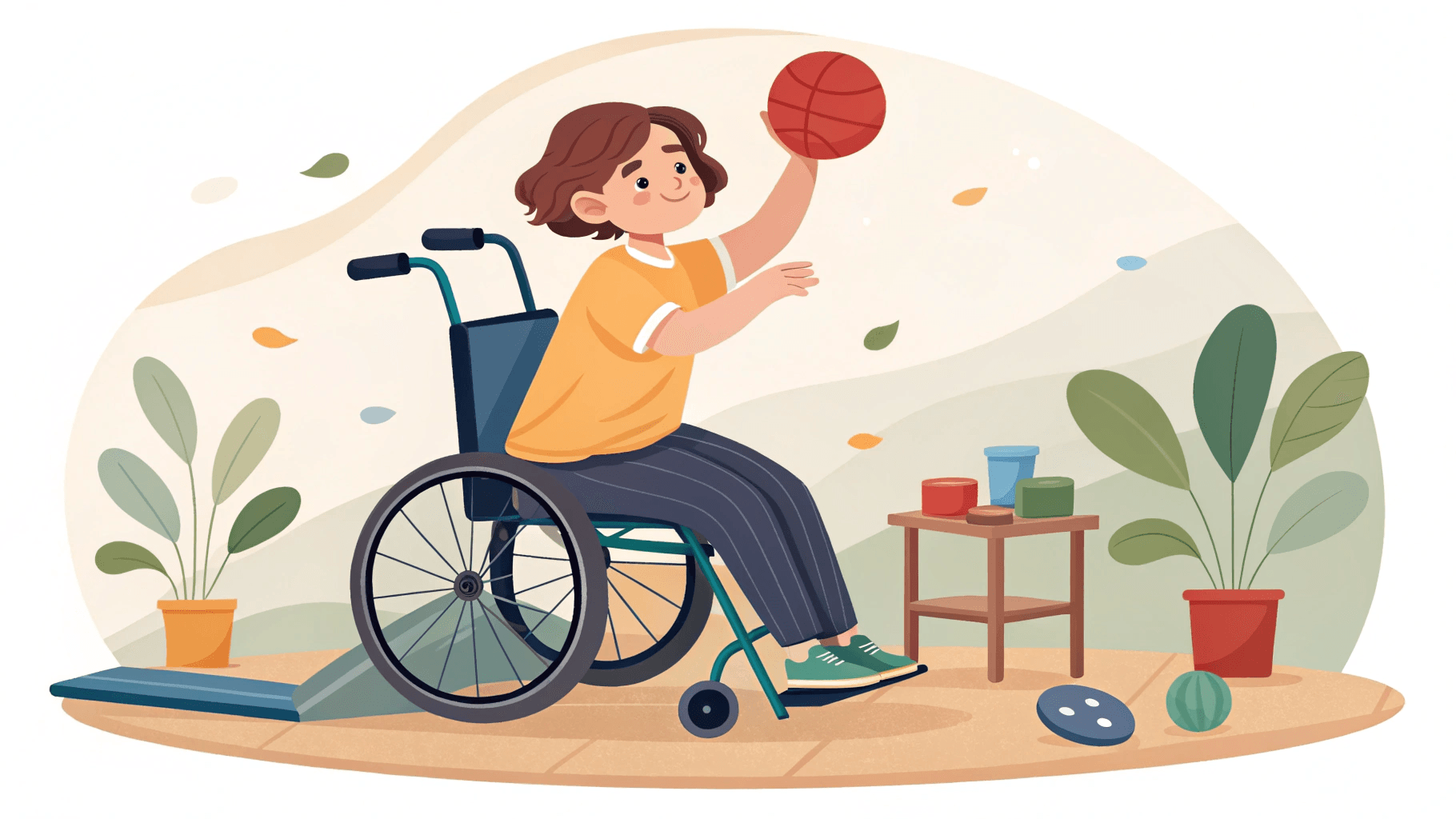
Early intervention plays a critical role in improving outcomes for children with CP. Therapeutic services such as physical therapy, occupational therapy, and speech therapy can help children develop independence, improve mobility, and strengthen communication skills. Additionally, specialized medical care can address co-occurring conditions like epilepsy, vision or hearing impairments, and intellectual disabilities, ensuring a comprehensive approach to their development.
Parents are vital advocates in securing proper education and healthcare resources for their children. Connecting with specialists, seeking support groups, and utilizing educational programs tailored to children with CP can make a significant difference. Knowledge empowers families to navigate challenges with confidence and provide their children with the tools they need to thrive. With the right interventions, children with CP can lead fulfilling, enriched lives, reaching their fullest potential despite the obstacles they may face.
Common Co-Occurring Conditions
Children with cerebral palsy may face additional health complications beyond motor impairments. Some of the most prevalent co-occurring conditions include:
- Neurological disorders: Epilepsy, seizures, apraxia, dysarthria, and ADHD
- Sensory impairments: Deafness and vision problems
- Behavioral and learning difficulties: Autism spectrum disorder, intellectual disabilities, and dyslexia
- Physical complications: Difficulty swallowing (dysphagia), respiratory issues, and orthopedic concerns
Each condition requires tailored support and treatment, often including therapy, medical interventions, and specialized education programs.
How Parents Can Take Action
Parents play a vital role in ensuring their child receives the appropriate care and resources. Some key actions include:
- Consulting medical specialists: Pediatric neurologists, therapists, and educators can develop individualized treatment plans.
- Exploring therapeutic options: Physical, occupational, and speech therapy can enhance mobility, communication, and daily function.
- Utilizing educational support: Special education programs and behavioral therapy can help children succeed academically and socially.
- Seeking community support: Organizations such as Birth Injury Justice Center provide guidance and information for families navigating life with CP.
Finding Help
Support systems and educational resources play a crucial role in improving the lives of children with cerebral palsy (CP) and their families. Navigating the complexities of cerebral palsy can be overwhelming, but having access to reliable information and compassionate guidance can make all the difference. Organizations like Birth Injury Justice Center are dedicated to assisting families by providing a comprehensive resource guide that outlines co-occurring conditions commonly associated with CP and explores treatment options that can enhance a child’s quality of life.
Understanding these conditions is key to making informed decisions about medical care, therapy, and long-term support. Whether it’s finding the right specialists, exploring various therapy programs, or accessing adaptive education services, knowledge empowers parents to advocate for their child’s needs effectively.
Professional guidance, support groups, and educational programs provide families with essential tools to navigate challenges with confidence. By seeking expert advice and embracing available resources, parents can create a nurturing environment that fosters their child’s development, independence, and overall well-being. With the right support, children with CP can thrive and lead fulfilling, enriched lives.