Kids Arch Support: 5 Essential Insights for Healthy Feet
As parents, we are naturally focused on our children’s health, often emphasizing nutrition, education, and physical activities. However, an essential yet often overlooked aspect of their well-being is foot health. Specifically, the role of proper arch support in their foot development is crucial.
Children’s feet undergo significant changes as they grow, and neglecting proper support can lead to discomfort, alignment issues, and long-term complications. This article serves as a comprehensive guide to understanding why kids’ arch support matters. We’ll discuss the anatomy of a child’s foot, common foot issues, and practical solutions for ensuring healthy foot development. Whether you’re a parent seeking advice or a caregiver looking to understand foot health better, this guide is here to help.
Understanding Kids’ Foot Anatomy
The Basics of Foot Structure
The human foot is an intricate structure designed for stability, mobility, and shock absorption. Here’s a deeper look at how your child’s foot develops over time:
- Bones and Soft Tissues: The human foot consists of 26 bones, 33 joints, and over 100 ligaments and tendons, but in infants and young children, these bones are mostly cartilage. As they grow, the cartilage ossifies into hard bone, making the foot structure more stable.
- Flat Feet in Early Childhood: Most children are born with flat feet because their arch is not yet developed. The appearance of flat feet is normal in toddlers due to the fat pad under the foot and the underdeveloped muscles.
- When Arches Develop: Around the ages of 4 to 5, the foot begins to take on a more adult-like shape, with the arch becoming more noticeable. By ages 7 or 8, a typical arch structure should be visible, but some children may still exhibit flat or low arches, which could require intervention.
Importance of Kids Arch Support
The foot’s arch is one of the most critical aspects of its anatomy, playing a vital role in mobility and overall health.
- Shock Absorption: Arches act as natural shock absorbers, protecting the legs, hips, and spine from the impact of walking, running, or jumping.
- Weight Distribution: They help distribute body weight evenly across the foot, ensuring balance and reducing stress on specific areas.
- Postural Support: Proper arch development supports the alignment of the legs and spine, which is particularly important as children grow and become more active.
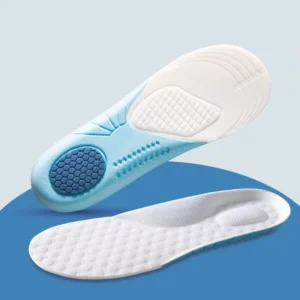
Give growing feet the gentle support they need with contoured memory-foam arch inserts that reduce pronation, absorb impact, and keep kids comfortable through play and school. Easy to trim for a custom fit and designed with a breathable, anti-slip top layer, they help prevent discomfort and promote healthier foot development as children grow.
-
Sale!

Kids Arch Support Inserts – Memory Foam Insoles
Original price was: $16.40.$12.00Current price is: $12.00.Select options This product has multiple variants. The options may be chosen on the product page

Common Foot Problems in Children
While many children grow up with no foot-related issues, some may encounter challenges that can affect their physical activity and overall health. Below are the two most common foot problems in kids:
Flat Feet
Flat feet occur when the arch of the foot collapses entirely or partially, leaving the entire sole in contact with the ground.
- Why It Happens: Some children naturally have flat feet, especially when they are young, as the arch has not fully formed. However, structural problems or genetics can also contribute.
- Symptoms to Look For:
- Pain in the feet, ankles, knees, or lower back.
- Difficulty walking or running long distances.
- Shoes wearing out unevenly, particularly on the inside edges.
- Potential Complications: If left untreated, flat feet can lead to joint pain, reduced mobility, and increased risk of injuries.
Over-Pronation
Over-pronation refers to excessive inward rolling of the foot and ankle during movement.
- Causes: Over-pronation is often linked to weak arches, flat feet, or poor shoe support.
- Symptoms and Signs:
- Heel pain, commonly associated with Sever’s Disease, which occurs when the growth plate in the heel becomes inflamed.
- Knee pain or discomfort, such as Osgood-Schlatter Disease, which is common in active children.
- General instability or frequent tripping.
- Why It’s a Problem: Over-pronation can lead to poor posture, uneven gait, and chronic pain in the legs and lower back if not corrected early.
Benefits of Kids Arch Support
Investing in proper arch support for children is not just about addressing current foot issues—it also sets the foundation for their long-term physical health. Here’s how arch support helps:
Enhanced Comfort and Pain Relief
- Relieving Pressure Points: Arch supports help distribute pressure evenly across the foot, reducing strain on areas like the heel and ball of the foot.
- Alleviating Pain: Children with flat feet or over-pronation often experience discomfort in their ankles, knees, or hips. Arch supports can minimize these aches and pains by aligning the foot properly.
Improved Posture and Alignment
- Whole-Body Benefits: Proper foot alignment has a ripple effect on the entire body, promoting better posture and reducing strain on the knees, hips, and spine.
- Sports and Activity Support: For children involved in physical activities, proper arch support can enhance performance and lower the risk of injuries like sprains or shin splints.
Choosing the Right Kids Arch Support
Selecting the correct arch support for your child requires understanding their specific needs.
Types of Arch Supports
- Custom Orthotics
- What They Are: Custom-made inserts designed to fit your child’s foot precisely.
- Benefits: Provide targeted support and correction for severe foot issues.
- Drawbacks: These can be expensive and require a visit to a podiatrist.
- Over-the-Counter Insoles
- What They Are: Pre-made insoles available at pharmacies or specialty stores.
- Benefits: Affordable, widely available, and effective for mild cases.
- Drawbacks: May not offer the same level of precision as custom orthotics.
Factors to Consider When Selecting Insoles
- Foot Type: Determine if your child’s foot is flat, neutral, or high-arched. A podiatrist can provide an accurate assessment.
- Activity Level: Consider how active your child is—sports-specific insoles might be better for athletes.
- Material and Durability: Look for insoles made from high-quality materials like gel, foam, or memory foam for maximum comfort and longevity.
- Size and Fit: Ensure the insoles fit snugly within your child’s shoe, without causing tightness or discomfort.
How to Introduce Kids Arch Support to Your Child
Introducing arch supports should be a gradual and positive experience for your child.
Gradual Introduction
- Start Slowly: Begin with 1–2 hours of wear per day, gradually increasing the duration as your child’s feet adjust to the new support.
- Observe Changes: Monitor your child for signs of discomfort, such as blisters or persistent soreness, and consult a specialist if issues persist.
- Replace Regularly: Remember that children’s feet grow quickly, so their arch supports may need to be replaced frequently to ensure proper fit.
Encouraging Use in Daily Activities
- Education: Teach your child why wearing arch supports is essential for their comfort and mobility.
- Incorporate in Fun Activities: Encourage your child to wear supportive shoes and insoles during sports, outdoor play, or other physical activities they enjoy.
- Make It Routine: Gradually make wearing arch supports a habit, so they naturally incorporate them into their daily lives.
Wrap Up
Your child’s foot health is a cornerstone of their overall physical well-being. By paying attention to their arch development and investing in proper support, you can prevent potential problems and ensure they grow up strong, active, and pain-free.
From understanding the anatomy of their feet to recognizing common issues like flat feet or over-pronation, this guide provides actionable insights for parents and caregivers. By choosing the right arch supports and introducing them thoughtfully, you’re giving your child the best foundation—literally and figuratively—for a healthy future.
Don’t wait for discomfort to become a problem. Take proactive steps today to support your child’s foot health. Assess their needs, explore arch support options, and consult with a podiatrist if necessary. Proper foot care is an investment in your child’s active and pain-free future. Start now—because healthy feet mean a happier, healthier childhood!
References
- Role of Arch Support Shoes in Children’s Foot Health – First Walkers
- Exploring the Benefits of Children’s Arch Support Insoles – Ideastep
- Do Kids Need Insoles For Arch Support? – Tread Labs
- Benefits of Arch Supports and Why You Should Wear Them – Lucky Feet Shoes
- What Makes Arch Supports Important? – Foot and Ankle Specialists